
It usually starts with something very small.
A harmless joke at a family dinner—
“Arre wah, aaj toh ghar ki CEO aayi hai!”
Everyone laughs.
Even the husband smiles.
But inside, something tightens.
That one joke slowly turns into a thought.
That thought turns into comparison.
Comparison turns into fear, self-doubt, and sometimes emotional trauma.
And before anyone realizes it, money—something meant for security—starts shaking the emotional foundation of a marriage.
As a Govt.Recognized Counsellor & Mind Healer, I see this story far more often than people admit.
also read: when effort goes unnoticed and slowly losesmeaning?

In today’s world, it’s common—and powerful—when a wife earns more than her husband.
But emotionally? Society hasn’t fully caught up.
Despite progress, many couples silently struggle with:
It’s about identity, conditioning, and unspoken expectations.
also read: how small daily appreciationprevents emotional burnout?

Let me tell you what I hear in therapy rooms—not on Instagram.
Husbands say (quietly):
Wives say (tearfully):
Yahan koi villain nahi hota.
Bas do emotionally wounded humans, stuck between love and conditioning.
This often leads to emotional burnout in marriage, resentment, and silent fights.
also read: how stress hormones affect romanticbonding?

Here are common psychological and emotional signs I observe:
In Husbands:
In Wives:
Over time, this can impact mental health, intimacy, and relationship satisfaction.
also read: why stable emotions build strongerlong term relationships?
Now, let’s understand this clinically—but simply.
This situation is not a disorder by itself.
But it can trigger or worsen certain psychological patterns:
Commonly Observed Conditions:
Important reminder:
👉 This is a learned belief, not a personal failure.
also read: when professional success createsemotional distance?
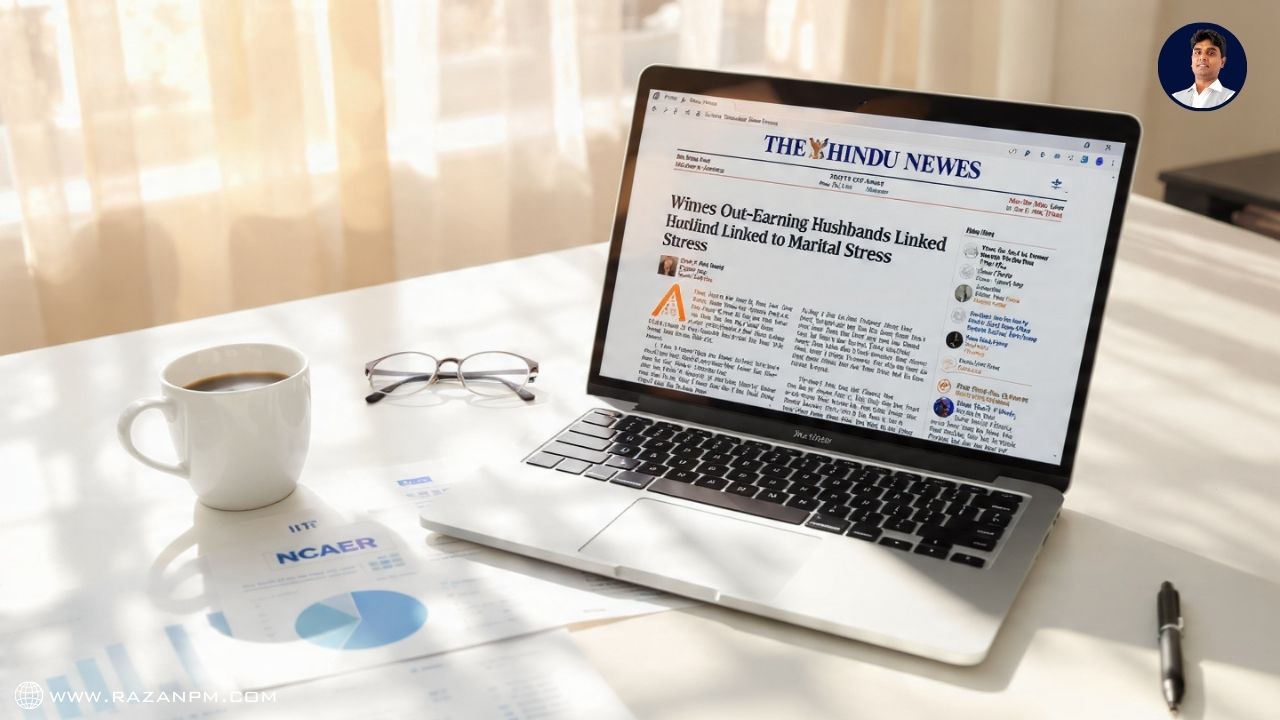
Research consistently shows:
So the problem isn’t who earns more.
The problem is what meaning we attach to it.
also read: how workplace burnout destroysromantic relationships?
Let me share a story (details changed for privacy).
Rohit and Neha came to therapy after 9 years of marriage.
Neha’s income tripled after a promotion.
Rohit slowly became silent.
One day he said,
“Main bas husband reh gaya hoon… aadmi nahi.”
That sentence broke the room.
Through healing work, Rohit realized:
His pain wasn’t about money.
It was about losing his old identity.
Neha realized:
Her guilt was stopping true connection.
Healing began when they stopped fighting roles—and started feeling each other.
That’s when love returned. Softly. Honestly.
also read: why families thrive when effort istruly acknowledged?

The Identity Reframe Exercise (10 minutes)
Sit separately and write answers to these:
1. I feel valuable in this relationship because… (not money-related)
2. I feel insecure when…
3. What I need emotionally right now is…
Then share—without fixing, defending, or explaining.
Just listen.
Yeh chhota step hai, but it opens emotional safety.
also read: why feeling appreciated matters morethan being loved?
This exercise opens the door…
But deep conditioning, ego wounds, and identity trauma need guided emotional healing.
Blogs can create awareness.
But real change happens in safe, structured spaces.
That’s where therapy and mind healing come in.
also read: how long working hours quietlyreduce intimacy in marriage?
If this blog felt a little too real…
If you saw yourself, your partner, or your marriage in these lines—
Please know this:
💛 Nothing is “wrong” with you.
You may just be carrying beliefs that no longer serve your relationship.
If you want support, clarity, and emotional balance,
I’m here to walk with you—gently.
👉 If this feels familiar, you don’t have to figure it out alone.
Book your 1:1 consultation here.
👉 Begin Your Journey with a 1 on 1 Consultation
👉 Begin Your Journey with a 1 on 1 Consultation

No, it is not bad at all. Financial success does not define love, respect, or emotional value in a marriage. Problems arise only when societal conditioning and unspoken expectations create emotional insecurity between partners.
also read: how mismatched work schedules createemotional distance?
Many men grow up believing their worth is tied to being the provider. When this role changes, it can trigger fear, ego wounds, and identity confusion—even in loving marriages.
also read: why being together all day stillfeels lonely for couples?
Income imbalance can silently create emotional distance if not openly discussed. Feelings like guilt, resentment, or shame may reduce communication, affection, and emotional safety between partners.
also read: when work stress replaces emotionalconnection at home?
Yes, but not because of money itself. Conflict usually comes from power struggles, communication gaps, and unresolved emotional beliefs about gender roles and financial control.
also read: how dual income couples slowly drift apart withoutnoticing?
Common signs include frequent arguments, emotional withdrawal, passive aggression, guilt, low self-esteem, and reduced intimacy. These are emotional signals—not personal failures.
also read: why apologizing first does not mean you are wrong?
While income imbalance is not a disorder, it can trigger Adjustment Disorder, anxiety, or depressive symptoms according to DSM-5 and ICD-11 when emotional stress becomes overwhelming.
also read: how constant blame ruins mental health inmarriage?
Open communication, redefining roles beyond income, emotional validation, and mutual respect are key. Couples who focus on emotional partnership rather than financial hierarchy adapt better.
also read: why men depression often begins with constantfatigue?
No. Guilt often comes from social pressure, not reality. Suppressing success to protect a partner’s ego can lead to emotional exhaustion and resentment over time.
also read: the fear of being replaceable in the ai job era
If conversations turn into arguments, emotional distance increases, or either partner feels unseen or insecure, professional support can help heal deeper emotional patterns safely.
also read: why gen z feels pressure to recordevery moment
Yes. Therapy helps couples understand emotional triggers, heal ego wounds, rebuild trust, and create a balanced partnership where both partners feel valued beyond money.