
Have you ever noticed how a small “seen but not appreciated” moment slowly turns into overthinking at 2 a.m.?
You cooked their favorite meal—no reaction.
You listened to their long rant—no thank you.
You adjusted, compromised, showed up—silence.
At first, you laugh it off.
“Chalta hai, they’re busy.”
But the mind has a strange habit.
That one small ignored effort quietly becomes a negative thought,
negative thought becomes self-doubt,
and self-doubt slowly turns into emotional fear—
“Am I not enough?”
“Does my effort even matter?”
This is how emotional trauma doesn’t arrive loudly—
it arrives slowly, silently, politely.
also read: how small daily appreciationprevents emotional burnout?

In my therapy room, I often hear sentences like:
Log bolte hain, “It’s not a big issue.”
But their body is exhausted,
their heart feels heavy,
and their mind is constantly alert.
When effort goes unnoticed, people don’t immediately feel anger.
They feel confusion, sadness, and then emotional numbness.
The most painful part?
They start invalidating themselves:
“Maybe I’m asking for too much.”
No.
You’re asking for basic emotional acknowledgment.
also read: how stress hormones affect romanticbonding?

Here are common psychological and emotional signs I see:
Physically, it may show up as:
Your body reacts before your mind accepts the pain.
also read: why stable emotions build strongerlong term relationships?
While “unnoticed effort” is not a diagnosis, clinically it often overlaps with:
🔹 Adjustment Disorder (DSM-5 / ICD-11)
When a person struggles emotionally due to ongoing stressors like:
Symptoms include:
🔹 Persistent Depressive Disorder (Dysthymia)
Long-term emotional neglect can lead to:
🔹 Attachment-Related Distress
People with anxious or avoidant attachment styles feel this pain deeply.
Unnoticed effort triggers:
Clinically speaking, lack of emotional validation affects the nervous system and self-identity.
also read: when professional success createsemotional distance?
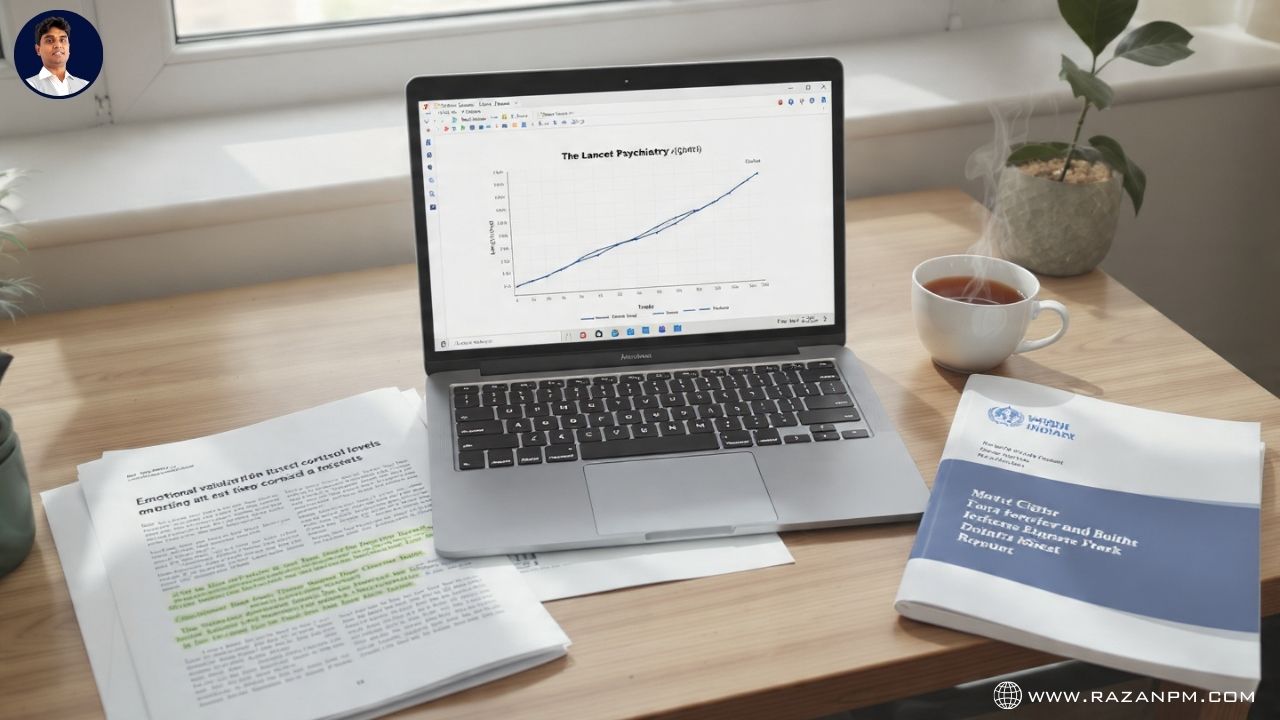
Research in relationship psychology and neuroscience shows:
Feeling unappreciated is linked to:
A study published in Journal of Social and Personal Relationships found that:
Perceived appreciation predicts emotional well-being more than effort itself.
In simple words:
It’s not that you gave less.
It’s that what you gave was not emotionally received.
also read: how workplace burnout destroysromantic relationships?
Let me share a story (details changed for privacy).
A client—let’s call her Ananya—came to me saying:
“I’ve stopped trying. I feel empty.”
She was the emotional backbone of her family.
Always adjusting. Always understanding. Always giving.
One day she said:
“I realized I don’t even know why I’m tired.”
During one session, she broke down and said:
“No one ever asks how I am. But everyone expects me to be okay.”
That moment was her awakening, not her weakness.
The solution didn’t start with fixing others.
It started with her acknowledging her own effort.
Healing began when she stopped proving her worth
and started protecting her emotional energy.
also read: why families thrive when effort istruly acknowledged?
 The “Effort Awareness Exercise” (5 minutes daily)
Tonight, do this:
This may sound simple, but clinically, this builds:
Healing starts when you stop abandoning yourself.
also read: why feeling appreciated matters morethan being loved?
This blog can help you identify the wound,
but healing deep emotional neglect patterns requires:
These are guided processes, not quick fixes.
If unnoticed effort has been your lifelong pattern,
it’s not accidental—it’s learned.
And learned patterns can be unlearned, safely.
also read: how long working hours quietlyreduce intimacy in marriage?
If this feels familiar, please know this:
You are not too sensitive.
You are not demanding.
You are responding to emotional deprivation.
You don’t have to figure this out alone.
If you feel ready, I’m here to walk with you—slowly, safely, and without judgment.
[Book your 1:1 consultation here]
Not to fix you—
but to help you finally feel seen, heard, and emotionally held.
👉 Begin Your Journey with a 1 on 1 Consultation
👉 Begin Your Journey with a 1 on 1 Consultation

When your efforts are ignored, your brain interprets it as emotional rejection. As a Govt.Recognized Counsellor & Mind Healer perspective, emotional validation is a basic psychological need. Jab yeh need puri nahi hoti, toh mind self-doubt aur emotional pain develop karta hai.
also read: how mismatched work schedules createemotional distance?
Yes. Feeling consistently unappreciated is one of the core signs of emotional neglect, especially in close relationships. It doesn’t mean the other person is bad, but it does mean your emotional needs are not being met.
also read: why being together all day stillfeels lonely for couples?
Absolutely. Long-term unnoticed effort can lead to emotional burnout, anxiety, low self-esteem, and in some cases symptoms related to depression or adjustment disorder as explained in DSM and ICD frameworks.
also read: when work stress replaces emotionalconnection at home?
This is a protective emotional response. The mind reduces expectations to avoid further hurt. Log often say, “Mujhe ab farq nahi padta”, but clinically, this is emotional shutdown—not healing.
also read: how dual income couples slowly drift apart withoutnoticing?
If you feel:
then you may be over-giving without receiving emotional validation, which slowly impacts self-worth.
also read: why apologizing first does not mean you are wrong?
Yes. Emotional labor is exhausting. Carrying unacknowledged emotional responsibility creates mental fatigue, even when the body hasn’t done much physical work.
also read: how constant blame ruins mental health inmarriage?
The first step is self-acknowledgment—recognizing your own efforts and emotions without minimizing them. Healing begins when you stop questioning whether your pain is “valid.”
also read: why men depression often begins with constantfatigue?
Yes. Therapy helps you understand attachment patterns, boundaries, and emotional needs, and teaches how to express needs without guilt while rebuilding inner emotional safety.
also read: the fear of being replaceable in the ai job era
Sensitive people have a higher emotional awareness and empathy, which makes them more vulnerable to emotional neglect. Sensitivity is not weakness—it’s unprotected emotional depth.
also read: why gen z feels pressure to recordevery moment
If you feel emotionally invisible, chronically tired, or disconnected from yourself, it’s a sign to seek support. You don’t need to be “broken” to ask for help—sometimes you just need to be heard.