
When Small Family Issues Create Emotional Damage?
It usually starts with something very small.
Like the tea cup not placed back on the kitchen shelf.
You think, “It’s okay.”
Then your mind whispers, “It’s always me who cares.”
By evening, that one cup has emotionally turned into
👉 “Nobody values what I do in this family.”
Funny, right?
But also painfully real.
As a Govt.Recognized Counsellor & Mind Healer, I often say this with a smile in sessions:
“Families don’t break because of big fights. They slowly crack because small efforts go unnoticed.”
And those unnoticed efforts quietly grow into negative thoughts, emotional pain, fear, and sometimes long-term mental trauma.
also read: why feeling appreciated matters morethan being loved?
How Families Feel When Effort Goes Unnoticed?

Most people who come to therapy don’t say,
“I want appreciation.”
They say things like:
In Hinglish, many clients say:
“Main thak gaya hoon sabke liye karte karte, par koi notice hi nahi karta.”
This emotional exhaustion is common in parents, partners, elder siblings, even children.
When effort is not acknowledged, love starts feeling like duty, and care starts feeling like burden.
also read: how long working hours quietlyreduce intimacy in marriage?
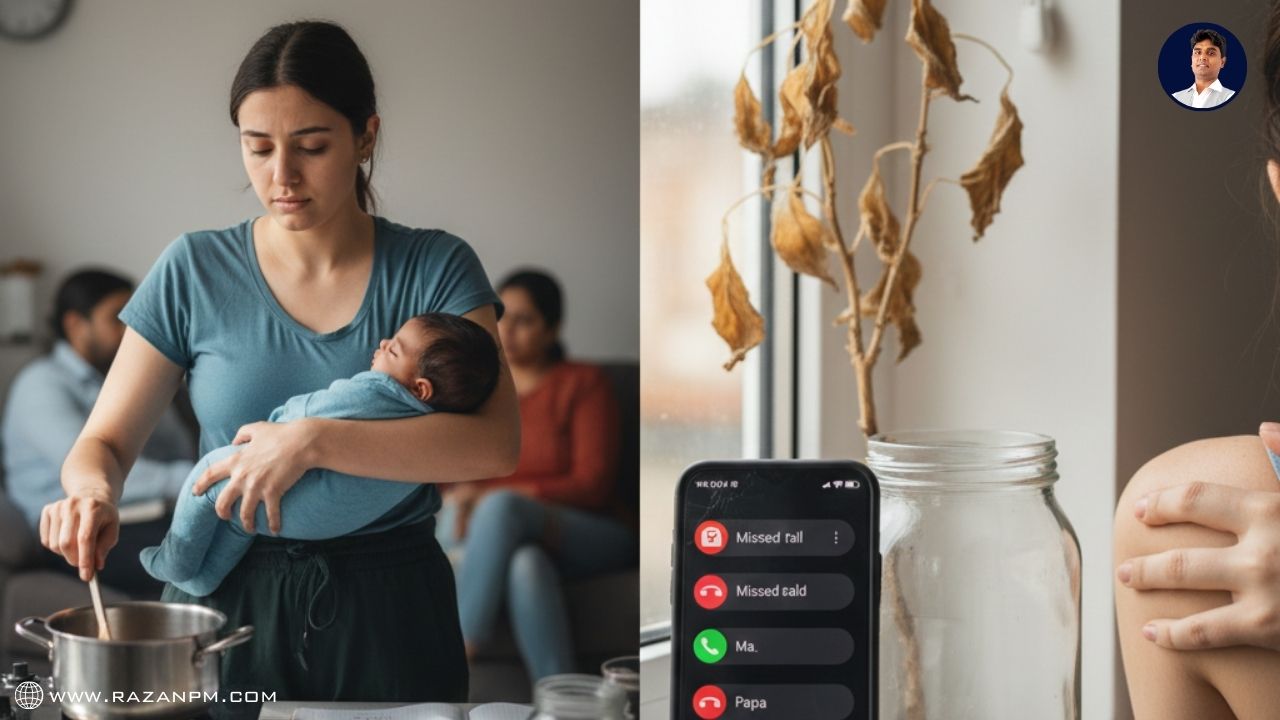
Over time, this issue shows up emotionally, mentally, and behaviorally:
Emotional signs
Mental signs
Behavioral signs
In families, this often turns into a cycle:
One person stops expressing → another feels disconnected → communication breaks → emotional distance grows.
also read: how mismatched work schedules createemotional distance?
While “lack of appreciation” is not a diagnosis, its impact connects deeply with recognized psychological conditions.
According to DSM-5 and ICD-11, chronic emotional invalidation is linked to:
From a clinical lens, unacknowledged effort creates emotional invalidation, which the brain processes as social rejection.
Neurologically, rejection activates the same pain centers as physical injury.
So no, you’re not “overreacting.”
Your brain is responding to perceived emotional pain.
also read: why being together all day stillfeels lonely for couples?

Psychological research consistently shows the power of acknowledgment.
Simply put:
Appreciation is not emotional decoration. It is emotional nutrition.
also read: when work stress replaces emotionalconnection at home?
Let me share a real story (identity changed).
A mother once told me in therapy:
“I don’t want gifts. I just want someone to say thank you.”
She woke up at 5 am every day, packed lunches, managed work, handled elders, and still smiled.
But one day, she stopped smiling.
Not because she was weak.
But because her emotional tank was empty.
In one session, I asked her family to try something simple:
Acknowledge effort, not outcome.
The first time her teenage son said,
“Mom, I know you try really hard for us,”
she cried.
That one sentence healed what years of silence had hurt.
That’s when I truly saw:
Acknowledgment is emotional healing.
also read: how dual income couples slowly drift apart withoutnoticing?

Here is a small but powerful practice you can start immediately:
The Effort Recognition Rule
Once a day, say one sentence that starts with:
“I noticed you tried…”
Examples:
Important rule:
👉 Do NOT add advice or correction after it.
This simple habit retrains the brain to feel safe, valued, and connected.
also read: why apologizing first does not mean you are wrong?
This small step creates awareness.
But deep healing requires understanding:
These patterns are deeply wired and often need guided emotional work, not just advice.
A blog can open the door.
But healing happens when someone walks with you through it.
also read: how constant blame ruins mental health inmarriage?
If this blog feels familiar, please know this:
You are not asking for too much.
You are asking for emotional recognition.
As a Govt.Recognized Counsellor & Mind Healer, I help individuals and families gently rebuild connection, communication, and emotional safety.
If this topic touched something inside you,
you don’t have to figure it out alone.
You can choose to heal, slowly and safely.
When you’re ready, you’re welcome to book a 1:1 consultation and begin that journey.
👉 Begin Your Journey with a 1 on 1 Consultation
👉 Begin Your Journey with a 1 on 1 Consultation
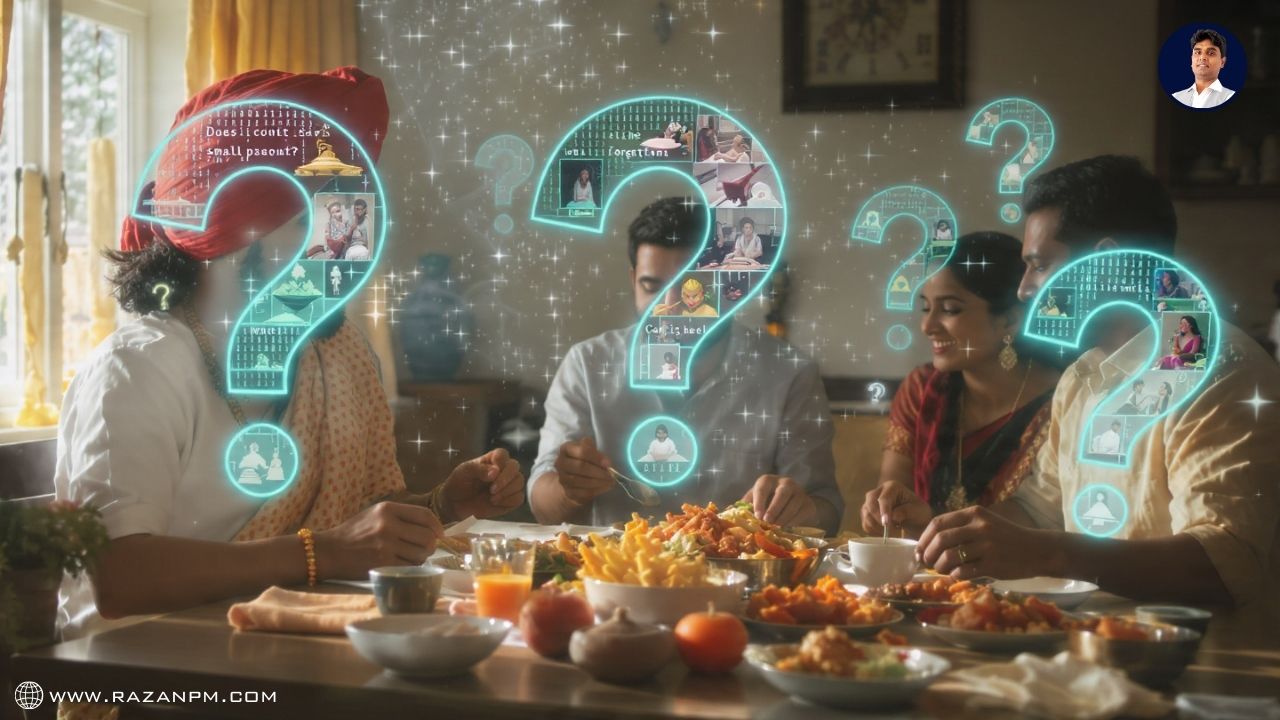
Acknowledging effort helps family members feel valued and emotionally safe. When efforts are noticed, trust, bonding, and cooperation naturally increase within the family.
also read: why men depression often begins with constantfatigue?
Q2. What happens when family efforts go unnoticed?
When effort is ignored, people may feel emotionally neglected, leading to frustration, silent resentment, and emotional distance in family relationships.
also read: the fear of being replaceable in the ai job era
Yes. Continuous lack of appreciation can contribute to stress, anxiety, low self-esteem, and depressive thoughts, especially when emotional needs are repeatedly unmet.
also read: why gen z feels pressure to recordevery moment
Appreciation strengthens emotional connection, improves communication, and reduces conflict by making family members feel seen and respected.
also read: why every argument feels like apersonal attack
Yes. Emotional validation focuses on recognizing effort and feelings, not just success. It says, “I see your effort,” rather than “You did it perfectly.”
also read: how emotional isolation triggersschizophrenia like symptoms?
Common signs include emotional withdrawal, irritability, overthinking small issues, silent treatment, or feeling constantly exhausted despite trying hard.
also read: why many wives experience silentdepression in marriage?
Families can begin by verbally recognizing small efforts, using simple statements like “I noticed you tried” without adding criticism or advice.
also read: how gen z confuses trauma bondingwith real love?
Acknowledging effort alone may not solve every conflict, but it creates emotional safety, which is essential for healing deeper family issues.
also read: how over loyalty is quietly breakinggen z?
Some people grew up in environments where emotions were not expressed openly. For them, appreciation feels unfamiliar or uncomfortable, even though it is deeply needed.
also read: why gen z checks their phone whennothing is there?
If emotional distance, resentment, or communication breakdown continues despite efforts, seeking support from a clinical psychologist can help rebuild understanding and connection.
