
It usually starts with something very small.
You forget to reply to your partner’s message.
You snap when they ask, “How was your day?”
You cancel a date because you’re “too tired.”
And suddenly…
that “too tired” becomes too distant.
As a Govt.Recognized Counsellor & Mind Healer, I often joke (sadly) that burnout doesn’t knock on the door — it enters your relationship wearing your office ID card.
We laugh about it at first:
“Arre yaar, bas work stress hai.”
But slowly, that stress turns into:
That’s how workplace burnout quietly starts destroying romantic relationships — without anyone realizing the real culprit.
also read: why families thrive when effort istruly acknowledged?

Most people don’t say,
“I am burned out and it’s affecting my relationship.”
They say things like:
“Sir, pyaar toh hai… bas feel nahi ho raha.”
And that sentence breaks my heart every time.
Because what they’re feeling is emotional exhaustion, not loss of love.
Workplace burnout drains your mental energy, and relationships need presence, not perfection.
When presence disappears, misunderstandings take its place.
also read: why feeling appreciated matters morethan being loved?

Here are common signs of burnout affecting relationships I see clinically:
Important note:
Fights can be repaired.
Emotional shutdown is harder to heal.
also read: how long working hours quietlyreduce intimacy in marriage?
From a clinical lens:
According to DSM-5:
Burnout symptoms often overlap with:
While burnout itself is not a standalone DSM diagnosis, its psychological impact is very real.
According to ICD-11:
Burnout is officially recognized as:
“A syndrome resulting from chronic workplace stress that has not been successfully managed.”
It includes:
Now imagine carrying all three into your relationship.
Your partner becomes:
This is how job stress affects romantic relationships on a psychological level.
also read: how mismatched work schedules createemotional distance?
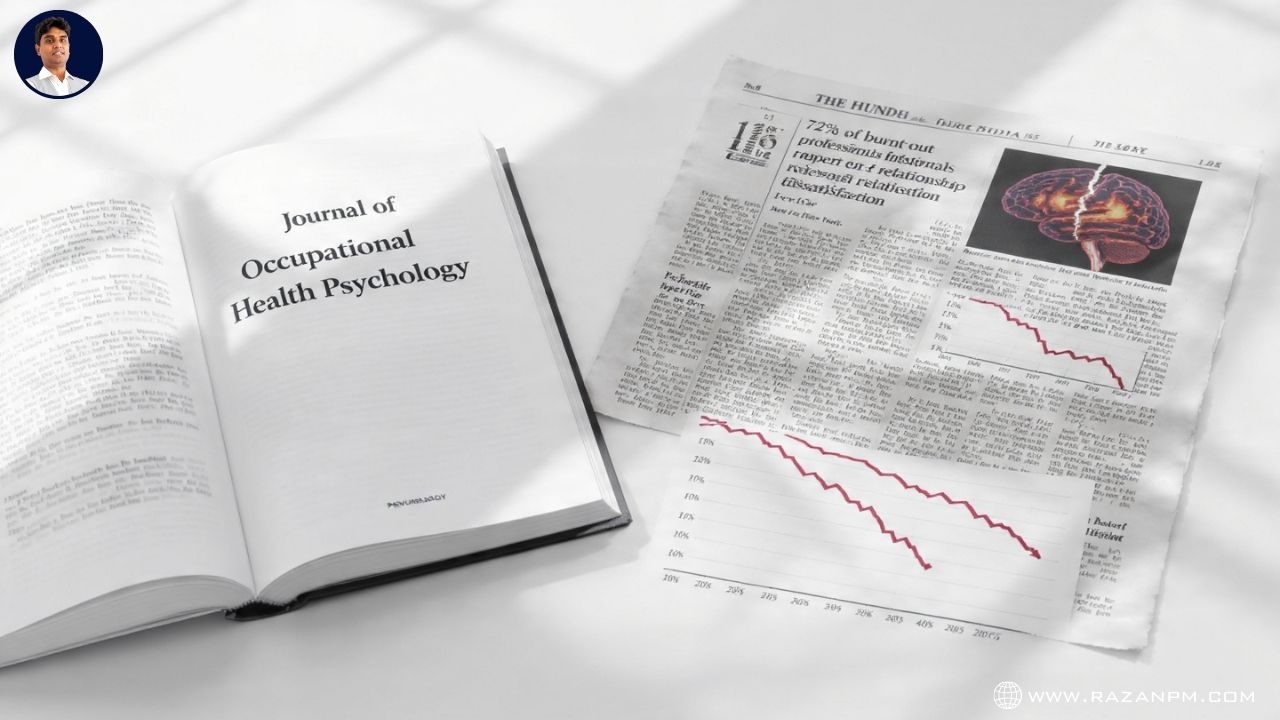
Research consistently shows:
So if you’re thinking,
“Why am I changing as a partner?”
The answer is: your nervous system is overwhelmed.
also read: why being together all day stillfeels lonely for couples?
Let me share a real (identity-protected) story.
A couple came to me — married for 6 years.
No cheating. No major fights.
Just silence.
The husband worked 12-hour shifts.
The wife felt invisible.
He said:
“I’m tired.”
She said:
“I feel unloved.”
Both were right.
Through therapy, we discovered something powerful:
👉 Burnout had stolen his emotional availability, not his love.
Once he learned how to regulate stress and she learned how to stop personalizing his exhaustion, healing began.
Sometimes, love doesn’t need more effort.
It needs mental healing.
also read: when work stress replaces emotionalconnection at home?
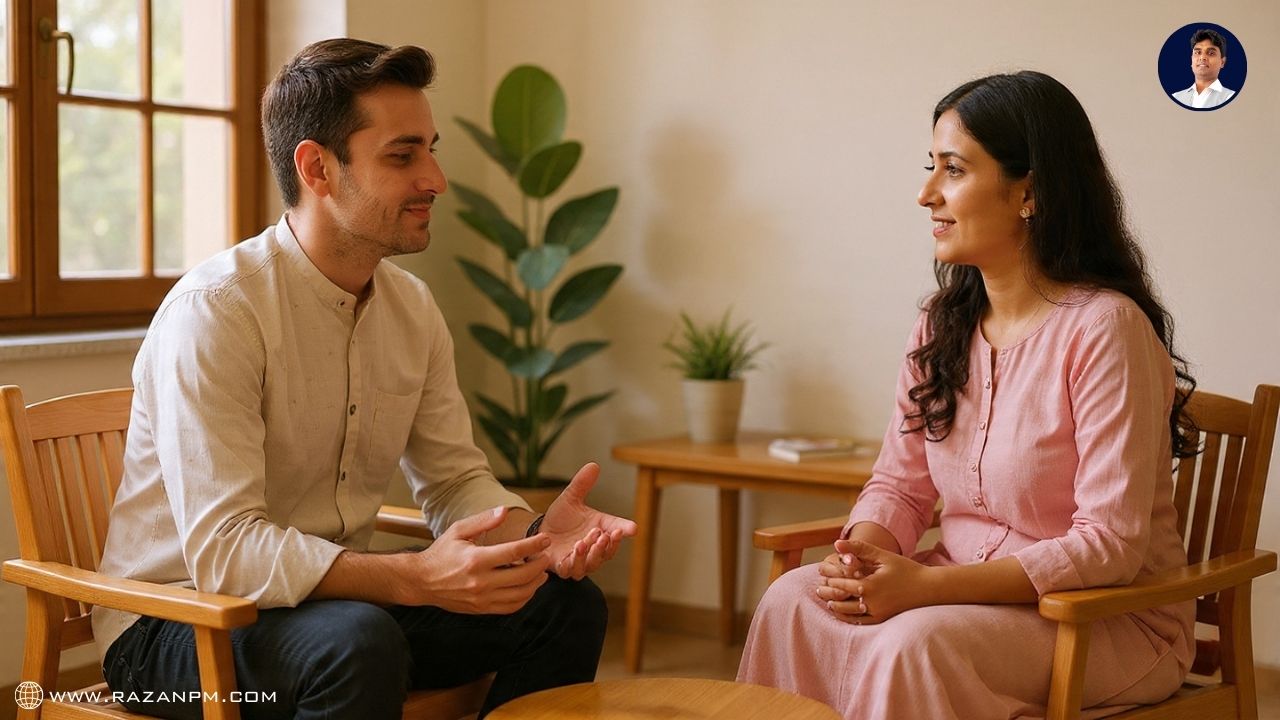
Here’s a small but powerful practice I give clients:
The 10-Minute Emotional Reset Ritual
Every day, before interacting deeply with your partner:
Name it — stress, anger, fear, emptiness.
Then, for 5 minutes with your partner:
This builds emotional safety without draining energy.
Small step. Big impact.
also read: how dual income couples slowly drift apart withoutnoticing?
This tip helps — but it doesn’t:
Burnout lives in the nervous system, not just thoughts.
That’s why guided psychological healing is essential.
A blog can open awareness.
Healing needs personal guidance.
also read: why apologizing first does not mean you are wrong?
If this blog felt familiar…
If you saw yourself or your relationship in these lines…
Please know this:
You are not broken. You are burned out.
And burnout is healable.
As a Govt.Recognized Counsellor & Mind Healer, I help individuals and couples gently reconnect — with themselves and with love.
If you feel ready, you don’t have to do this alone.
👉 Book your 1:1 consultation here
A safe, non-judgmental space — at your pace.
👉 Begin Your Journey with a 1 on 1 Consultation
👉 Begin Your Journey with a 1 on 1 Consultation

Workplace burnout causes emotional exhaustion, irritability, and mental withdrawal, which reduces communication, intimacy, and emotional connection in romantic relationships over time.
also read: how constant blame ruins mental health inmarriage?
Yes. Chronic job stress can slowly damage even healthy relationships by creating emotional distance, frequent misunderstandings, and lack of presence with a partner.
also read: why men depression often begins with constantfatigue?
Early signs include constant tiredness, avoiding conversations, reduced affection, irritability, emotional numbness, and feeling disconnected from your partner without a clear reason.
also read: the fear of being replaceable in the ai job era
In many cases, emotional distance is a sign of burnout, not loss of love. Burnout affects emotional availability and nervous system regulation, making people feel numb.
also read: the fear of being replaceable in the ai job era
Yes. According to psychological research, prolonged burnout can trigger anxiety, depressive symptoms, and fear of emotional conversations, affecting relationship stability.
also read: why gen z feels pressure to recordevery moment
Burnout originates from unmanaged work stress, while relationship problems are often blamed incorrectly. Burnout spills into relationships and creates problems indirectly.
also read: why every argument feels like apersonal attack
Absolutely. With proper stress management, emotional healing, and psychological support, burnout can be healed and relationships can regain closeness and trust.
also read: how emotional isolation triggersschizophrenia like symptoms?
Couples should seek help when emotional distance, constant silence, lack of intimacy, or recurring stress-related conflicts continue despite efforts to communicate.
also read: why many wives experience silentdepression in marriage?
A clinical psychologist helps identify burnout patterns, regulate emotional stress, heal mental exhaustion, and guide individuals or couples toward emotional reconnection.
also read: how gen z confuses trauma bondingwith real love?
Yes. With awareness, small daily practices, and guided emotional healing, intimacy and emotional safety can be restored even after long-term burnout.
also read: how over loyalty is quietly breakinggen z?
