
Let me start with a small, funny but painfully real moment.
You wake up late.
Your phone battery is already at 12%.
Someone forgets to reply “Good Morning.”
And suddenly your brain says:
“Nobody values me.”
Bas. Ek choti si baat… aur mind Netflix-style negative thoughts ka binge-watch shuru kar deta hai.
By evening, you’re tired—not physically—but emotionally drained, irritated, silent, and somehow feeling invisible.
Welcome to emotional burnout, caused not by big trauma… but by small daily emotional neglect.
As a Govt.Recognized Counsellor & Mind Healer, I see this pattern daily. People don’t break because of one big heartbreak.
They break because no one noticed their efforts—daily, silently, repeatedly.
also read: how stress hormones affect romanticbonding?

Most people who come to me don’t say,
“I am emotionally burnt out.”
They say things like:
They are working, loving, giving, adjusting… but not being emotionally acknowledged.
And the most dangerous thought?
“Maybe I’m asking for too much.”
No.
You’re not asking for too much.
You’re asking for basic emotional validation—and appreciation is its simplest form.
also read: why stable emotions build strongerlong term relationships?

Emotional burnout doesn’t arrive with loud alarms. It whispers.
Common signs and symptoms include:
Many people confuse this with laziness or mood swings, but clinically, it’s much deeper.
also read: when professional success createsemotional distance?
While Emotional Burnout is not a standalone diagnosis, it is clinically recognized under related conditions.
DSM-5 (Diagnostic and Statistical Manual of Mental Disorders)
Emotional burnout symptoms often overlap with:
Lack of appreciation contributes to chronic stress, which dysregulates emotional processing and self-worth mechanisms.
Burnout is classified as an occupational phenomenon, but emotional burnout extends beyond work—into relationships and self-identity.
Psychologically, appreciation activates:
When appreciation is missing daily, the nervous system remains in survival mode, leading to emotional exhaustion.
also read: how workplace burnout destroysromantic relationships?
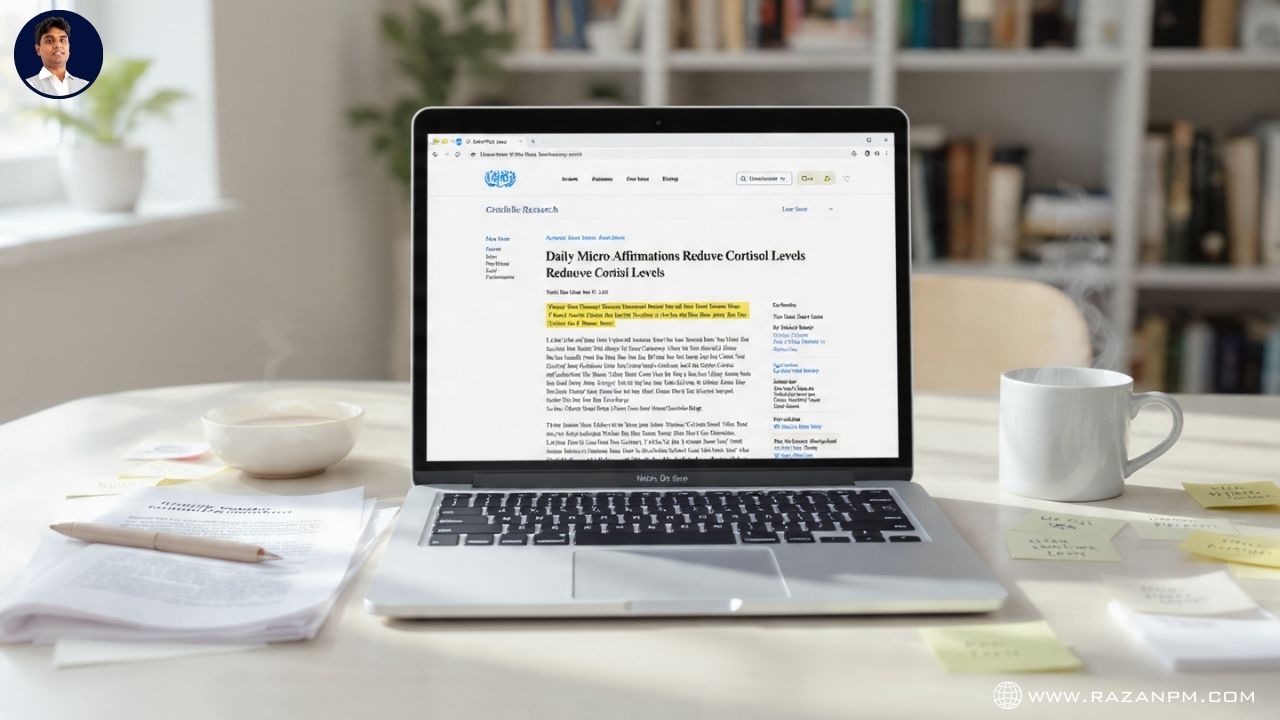
Research supports what emotions already know.
In simple words:
👉 Appreciation is emotional nutrition.
No nutrition = emotional weakness.
also read: why families thrive when effort istruly acknowledged?
Let me tell you about Riya (name changed).
She was a working mother, managing office, home, kids, and expectations.
No major fights. No drama.
Yet she said, “I feel invisible.”
One day, during therapy, I asked her:
“When was the last time someone appreciated you?”
She went silent. Eyes filled.
Then she said, “I don’t remember.”
We didn’t start with big affirmations.
We started with one small daily appreciation—from herself and from her environment.
Within weeks, her emotional energy shifted.
Not because life became easy—but because she felt seen.
That’s when I truly realized:
Small daily appreciation prevents emotional burnout more effectively than big occasional praise.
also read: why feeling appreciated matters morethan being loved?

Here’s a simple but powerful exercise you can start today:
The “One-Line Appreciation Rule”
Every day:
Examples:
Say it out loud or write it down.
Your brain doesn’t differentiate between small and big appreciation—it only registers felt value.
Consistency > Intensity.
also read: how long working hours quietlyreduce intimacy in marriage?
This small practice creates awareness, but emotional burnout often has deep-rooted patterns:
Real healing requires guided emotional rewiring, not just surface habits.
A blog can open the door.
But walking through it requires personal guidance and emotional safety.
also read: how mismatched work schedules createemotional distance?
If this blog felt like someone finally put words to what you’re feeling…
You don’t have to figure it out alone.
As a Govt.Recognized Counsellor & Mind Healer, I help people gently reconnect with their emotional needs—without guilt, fear, or pressure.
💛 If this feels familiar, you don’t have to carry it silently.
👉 Book your 1:1 consultation here and let’s work through it together, at your pace.
👉 Begin Your Journey with a 1 on 1 Consultation
👉 Begin Your Journey with a 1 on 1 Consultation

Emotional burnout is a state of mental and emotional exhaustion caused by prolonged stress, emotional neglect, and lack of appreciation. It often happens when people keep giving emotionally without feeling valued or acknowledged.
also read: why being together all day stillfeels lonely for couples?
Yes. Daily lack of appreciation slowly reduces emotional motivation and self-worth. Over time, this emotional depletion can lead to burnout, anxiety, and emotional numbness—even when life looks “normal” from outside.
also read: when work stress replaces emotionalconnection at home?
Small daily appreciation activates positive emotional pathways in the brain, improving mood, emotional balance, and resilience. Feeling valued regularly helps the nervous system relax and prevents emotional overload.
also read: how dual income couples slowly drift apart withoutnoticing?
Early signs include constant tiredness, irritability, emotional sensitivity, loss of interest, overthinking, and feeling unrecognized in relationships or work. Recognizing these early helps prevent deeper emotional damage.
also read: why apologizing first does not mean you are wrong?
No, emotional burnout is different but closely related. Burnout can increase the risk of depression and anxiety if ignored. Clinically, burnout symptoms often overlap with stress-related and mood disorders.
also read: how constant blame ruins mental health inmarriage?
You can start by appreciating one person and yourself every day—verbally or in writing. Even small statements like “I did my best today” can significantly improve emotional well-being over time.
also read: why men depression often begins with constantfatigue?
Absolutely. Self-appreciation helps rebuild self-worth and emotional strength. It teaches the brain that effort matters, not just outcomes, which is essential for emotional healing.
also read: the fear of being replaceable in the ai job era
If emotional exhaustion lasts for weeks, affects relationships, work, or self-esteem, or feels overwhelming, it’s time to seek professional support. Early guidance can prevent long-term emotional distress.
also read: why gen z feels pressure to recordevery moment
A clinical psychologist helps identify emotional patterns, unresolved stress, and belief systems that contribute to burnout. Therapy provides guided tools to restore emotional balance and inner strength.
also read: why every argument feels like apersonal attack
Yes, emotional burnout is reversible with awareness, daily emotional care, and guided healing. With the right support, people regain emotional clarity, energy, and connection with themselves.
also read: how emotional isolation triggersschizophrenia like symptoms?