
It usually starts with something very small.
Your partner replies late to a message.
Your mind whispers, “They are ignoring me.”
Five minutes later, your heart says, “Maybe I’m not important anymore.”
By night, your brain is already writing a horror movie titled “They Will Leave Me.”
Funny? Yes.
Familiar? Painfully yes.
As a Govt.Recognized Counsellor & Mind Healer, I often say this with a smile in my sessions:
“Relationships don’t break because of big fights. They break because of small thoughts that were never emotionally regulated.”
Love alone doesn’t collapse relationships.
Unstable emotions do.
And yet, most of us were taught how to love… but never how to stay emotionally stable while loving.
also read: when professional success createsemotional distance?

“I love them so much, but I overthink everything.”
“I get scared when they pull away even a little.”
“I become emotional, reactive, and later regret my words.”
“Mujhe pata hai main zyada soch raha hoon, but control nahi hota.”
This is not drama.
This is emotional insecurity mixed with fear-based attachment.
People in long term relationships often feel:
Love exists.
But emotional stability is missing.
also read: how workplace burnout destroysromantic relationships?

Here are common signs I observe clinically:
If you saw yourself in this list, pause for a moment.
This is not a character flaw.
This is your nervous system asking for safety.
also read: why families thrive when effort istruly acknowledged?
From a clinical lens:
According to DSM 5 TR and ICD 11, emotional instability is often associated with:
In simple words:
Your brain learned survival before it learned emotional safety.
When past emotional wounds exist, the amygdala (fear center) reacts faster than logic.
So instead of responding, you react.
Your partner triggers your old emotional memory, not the present moment.
That is why love feels intense… but unstable.
also read: why feeling appreciated matters morethan being loved?
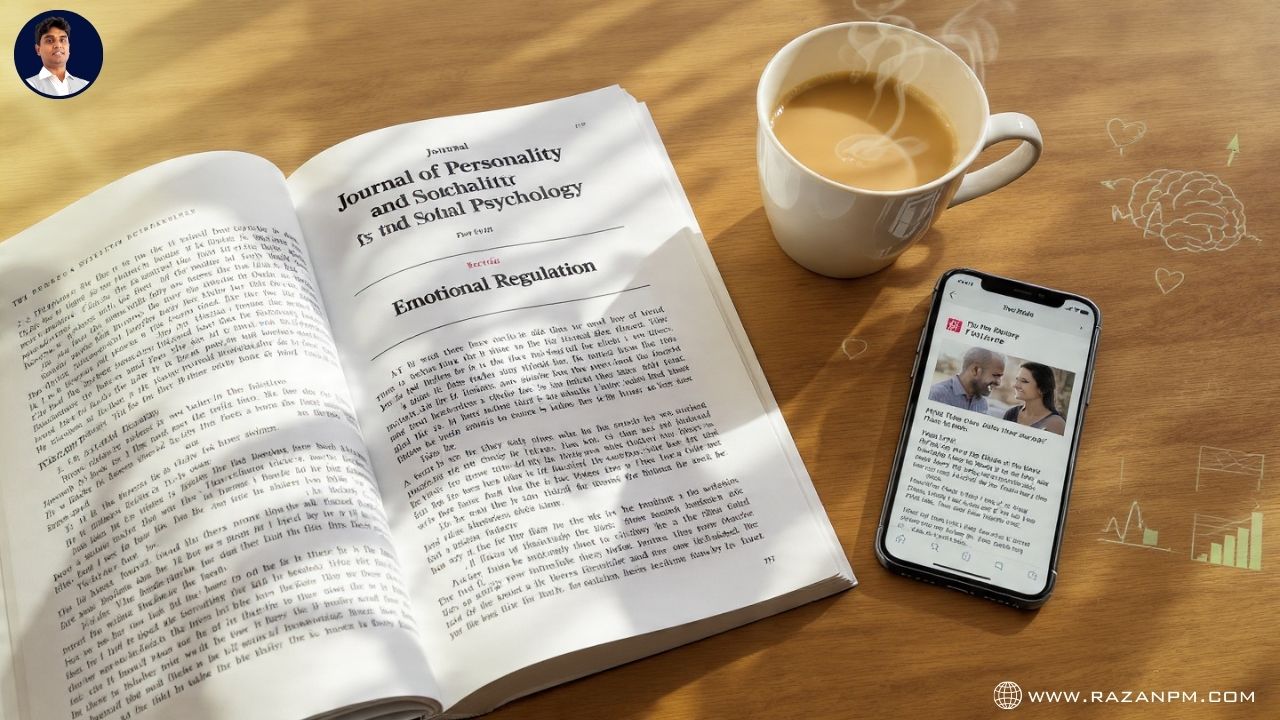
In short:
Emotional stability predicts relationship longevity more than love alone.
Love ignites relationships.
Stability sustains them.
also read: how long working hours quietlyreduce intimacy in marriage?
Let me share a story (details changed for privacy).
A couple once came to me saying, “We love each other deeply, but we fight all the time.”
During sessions, it became clear:
They weren’t fighting each other.
They were fighting their own fears.
The partner who shouted was actually scared of being ignored.
The partner who shut down was terrified of conflict.
Once they learned to regulate emotions instead of blaming each other, something magical happened.
Less drama.
More safety.
More connection.
That’s when I realized deeply:
Healing emotions heals relationships.
also read: how mismatched work schedules createemotional distance?
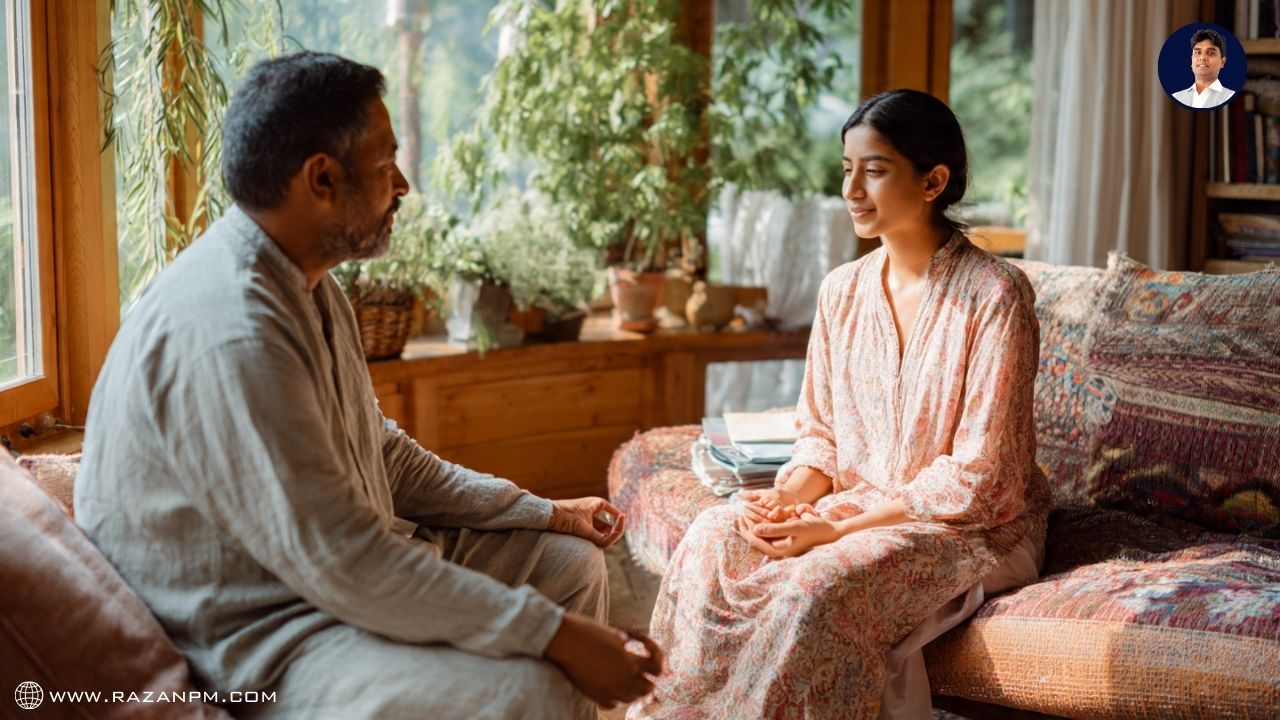
Here’s a simple emotional stability exercise I give my clients:
The 90 Second Pause Rule
Next time you feel emotionally triggered:
This small pause allows the nervous system to settle.
You don’t suppress emotions.
You stabilize them.
Try it once today.
Notice the difference.
This mini step helps, but emotional stability is not built overnight.
Deep emotional patterns require:
Blogs create awareness.
Healing requires guidance.
If this blog felt like someone understood your heart…
If your emotions feel bigger than the situation…
If love exists but peace doesn’t…
Please know this:
You don’t have to figure it out alone.
As a Govt.Recognized Counsellor & Mind Healer, I help individuals and couples build emotional stability, safety, and secure connection.
If this feels familiar, you don’t have to struggle silently.
You are not broken. You are healing.
👉 Book your 1:1 consultation here.
Let’s gently work through this together.
👉 Begin Your Journey with a 1 on 1 Consultation
👉 Begin Your Journey with a 1 on 1 Consultation

Emotional stability in a relationship means the ability to manage emotions calmly, communicate without overreacting, and feel emotionally safe even during conflicts. It allows partners to respond thoughtfully instead of reacting from fear or insecurity.
also read: why being together all day stillfeels lonely for couples?
Love creates attraction and connection, but emotional stability sustains long term relationships. Without emotional regulation, love can turn into anxiety, conflict, and emotional exhaustion over time.
also read: when work stress replaces emotionalconnection at home?
Emotional instability leads to frequent misunderstandings, fear of abandonment, trust issues, and repeated conflicts. Over time, this emotional stress weakens intimacy and relationship satisfaction.
also read: how dual income couples slowly drift apart withoutnoticing?
Common signs include overthinking small issues, mood swings, strong emotional reactions, constant need for reassurance, fear of rejection, and difficulty calming down after arguments.
also read: why apologizing first does not mean you are wrong?
Yes, emotional stability can be developed through self awareness, emotional regulation techniques, therapy, and healing past emotional wounds. With guidance, stable emotional patterns can replace reactive ones.
also read: how constant blame ruins mental health inmarriage?
Psychologically, emotional instability is linked to anxiety disorders, attachment trauma, emotion regulation difficulties, and nervous system dysregulation as described in DSM and ICD frameworks.
also read: why men depression often begins with constantfatigue?
Emotional regulation helps partners express needs calmly, listen without defensiveness, and resolve conflicts without escalation. This builds trust, safety, and deeper emotional intimacy.
also read: the fear of being replaceable in the ai job era
If emotional reactions feel uncontrollable, conflicts repeat often, or past emotional pain affects the present relationship, seeking professional psychological support can be helpful.
also read: why gen z feels pressure to recordevery moment
Yes, therapy helps individuals understand emotional triggers, heal attachment wounds, and build secure emotional patterns that support healthy long term relationships.
also read: why every argument feels like apersonal attack
No. Emotional instability is not a weakness. It often develops from past emotional experiences, unmet needs, or trauma. With the right support, emotional strength can be rebuilt.
also read: how emotional isolation triggersschizophrenia like symptoms?