
It usually starts with something small.
You spill coffee on your shirt.
Your phone battery dies at 10 a.m.
Someone cuts you off in traffic.
And suddenly your mind goes:
“Why does everything go wrong with me?”
“Life hi thak gayi hai.”
“What’s even the point anymore?”
Funny, right? But also scary.
As a Govt.Recognized Counsellor, I often say this jokingly to my male clients:
“Depression in men doesn’t knock on the door crying. It quietly lies down on the couch and says — ‘Bhai, aaj bas thakaan hai.’”
That constant fatigue you’re ignoring?
It’s often not laziness.
It’s not aging.
It’s not just work stress.
It’s depression wearing the mask of tiredness.
also read: the fear of being replaceable in the ai job era

Most men don’t wake up thinking, “I’m depressed.”
They wake up thinking:
They still go to work.
They still provide.
They still smile in public.
But inside?
They feel mentally drained, emotionally numb, and constantly tired — even on days with no physical work.
Many men tell me:
“Sir, I’m not sad… I’m just tired all the time.”
That sentence is one of the clearest early signs of depression in men.
also read: why gen z feels pressure to recordevery moment

Here are common signs of male depression that often hide behind fatigue:
Many men don’t cry.
They shut down.
They push through.
They burn out silently.
also read: why every argument feels like apersonal attack
From a clinical psychology standpoint, depression doesn’t always look emotional.
DSM-5 (Diagnostic and Statistical Manual of Mental Disorders)
According to DSM-5, Major Depressive Disorder includes:
👉 Notice something important?
Fatigue is a core diagnostic symptom, not a side effect.
ICD-11 (International Classification of Diseases)
ICD-11 recognizes depression as a condition affecting:
In men especially, depression often presents as somatic symptoms — meaning physical exhaustion rather than emotional sadness.
That’s why many men go to doctors for fatigue… but never to therapists.
also read: how emotional isolation triggersschizophrenia like symptoms?
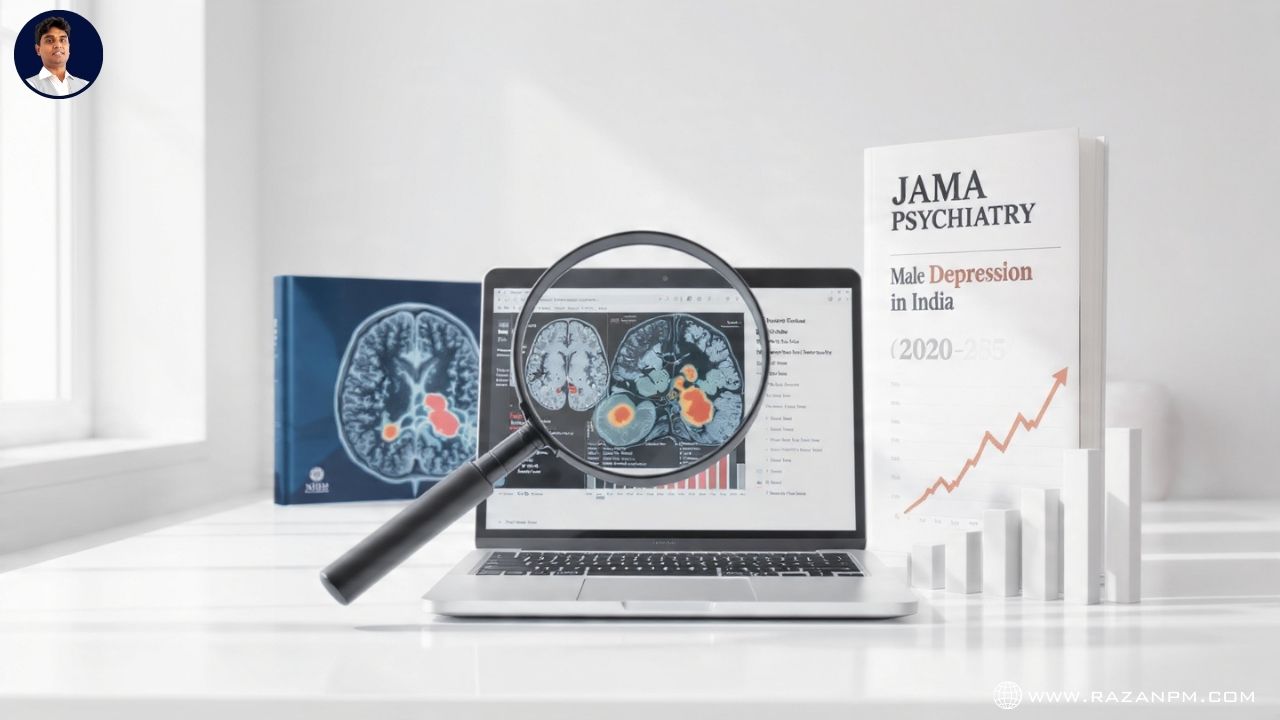
Research strongly supports this pattern.
In simple words:
Men feel depression in their body first, not their emotions.
also read: why many wives experience silentdepression in marriage?
Let me tell you about Rohit (name changed).
Rohit was a 38-year-old professional.
Successful. Married. Respected.
He came to me saying:
“I’m not depressed, doctor. I’m just tired of everything.”
Medical reports? Normal.
Sleep? 6–7 hours.
Lifestyle? Decent.
But when I gently asked:
“When was the last time you felt genuinely excited about life?”
He went silent.
Later he said, with moist eyes:
“I don’t remember.”
That moment wasn’t about fatigue.
It was about emotional exhaustion carried for years — unexpressed pressure, unprocessed pain, and constant self-sacrifice.
Healing began when he stopped fighting his tiredness and started listening to it.
also read: how gen z confuses trauma bondingwith real love?

Here’s a small but powerful exercise I give many male clients:
The 5-Minute Energy Check-In
Once a day, ask yourself these questions (write answers if possible):
This is not meditation.
This is honest self-connection.
Many men feel lighter within a week — because awareness reduces internal resistance.
also read: how over loyalty is quietly breakinggen z?
This blog touches only the visible layer.
Real healing involves:
These steps need guided psychological support.
Not because you’re weak — but because your mind learned survival patterns long ago.
also read: why gen z checks their phone whennothing is there?
If this article felt familiar…
If your tiredness feels deeper than sleep…
If you’ve been silently pushing through life…
You don’t have to figure it out alone.
As a Govt.Recognized Counsellor & Mind Healer, I work with men who are strong on the outside and exhausted on the inside.
👉 If this resonates, you’re welcome to book a 1:1 confidential consultation.
There’s no judgment. Only understanding.
[Book your consultation here]
👉 Begin Your Journey with a 1 on 1 Consultation
👉 Begin Your Journey with a 1 on 1 Consultation

Yes. Constant fatigue is one of the most common early signs of depression in men. Many men experience depression physically before emotional symptoms appear, which is why tiredness is often ignored or misunderstood.
also read: why loneliness hurts more when loveslowly fades?
Depression affects the nervous system and stress hormones. In men, emotional stress often converts into physical symptoms like fatigue, body heaviness, and low energy instead of sadness or crying.
also read: how constant rejection from apartner can trigger anxiety?
Normal tiredness improves with rest. Depression-related fatigue stays even after sleep, weekends, or vacations and is often accompanied by emotional numbness, irritability, and loss of motivation.
also read: why women stay silent whenemotionally hurt?
Yes. Many men with depression do not feel sad. Instead, they feel empty, irritated, emotionally disconnected, or constantly exhausted. This is known as silent or masked depression.
also read: how friendship breakups impactmental health deeply?
Early signs include constant fatigue, poor sleep, anger over small things, lack of interest in daily life, overthinking at night, physical pain without medical cause, and emotional withdrawal.
also read: how friends success triggersjealousy?
Chronic stress can turn into depression if not processed. When stress becomes long-term, the body stays in survival mode, leading to mental exhaustion and depressive fatigue.
also read: why gen z is afraid of deepemotional love?
Many men are conditioned to believe they must stay strong and silent. As a result, they normalize exhaustion, avoid emotional expression, and delay seeking psychological help.
also read: why husbands support is crucial infamily disputes?
Yes. Psychological therapy helps identify emotional overload, suppressed stress, and unhealthy thought patterns that drain energy. Many men report improved energy levels once emotional healing begins.
also read: gen z is shutting down emotionallyhere is why
If fatigue lasts more than two weeks without medical cause, affects daily life, relationships, or work, and feels emotionally heavy, it is important to consult a mental health professional.
also read: when in laws never accept you and itstarts to hurt?
In many cases, yes. Mild to moderate depression can be treated through therapy, lifestyle changes, emotional processing, and mind-body healing techniques. A professional assessment is always recommended.
also read: why gen z avoids emotional conflict?