
It often starts with something small.
A message left on “seen.”
A joke that hurt more than it should.
A tone that felt cold for just two seconds too long.
And suddenly the mind says:
“Maybe I’m not important.”
“Am I too much?”
“What if I say something and it becomes a fight?”
So she smiles. She nods. She says, “It’s fine.”
But inside? A full Netflix series of negative thoughts, fear, and emotional chaos is playing on loop.
As a Govt.Recognized Counsellor & Mind Healer, I see this every single day. Women don’t stay silent because they don’t feel.
They stay silent because they feel too deeply.
also read: why so many people struggle with hyperindependence trauma?

Most women who come to therapy don’t say,
“I am emotionally hurt.”
They say:
Deep down, many women feel:
In Hinglish mein bolein toh —
“Bolun toh problem, na bolun toh dard.”
Over time, this silence doesn’t heal.
It quietly turns into emotional trauma, anxiety, resentment, and sometimes depression.
also read: why a wifes higher income triggers emotionaldistance in men?

Silence doesn’t mean absence of pain. It shows up differently.
Common signs and symptoms include:
Many women say,
“I don’t even know why I’m upset anymore.”
That’s not weakness.
That’s suppressed emotional expression.
also read: how money insecurity quietly damages intimacy?

From childhood, many women learn that love is conditional.
“If I upset someone, they might leave.”
So silence becomes protection.
Society praises women for being:
Adjusting
Understanding
Quiet
Expressing pain is often labeled as overreacting. This leads to emotional suppression.
If speaking up earlier led to:
Gaslighting
Mocking
Punishment
Emotional withdrawal
The brain learns: Silence equals safety.
Women often turn pain inward.
“Maybe it’s my fault.”
“I should be more patient.”
This internal dialogue slowly damages self-worth.
For many women, conflict feels unsafe, not healthy.
Their nervous system associates disagreement with danger.
Explaining feelings repeatedly and not being understood leads to shutdown.
Silence becomes less painful than trying again.
When nothing changes despite speaking up, the mind stops trying.
This is closely linked to depressive patterns.
also read: why men avoid sharing problems with theirpartners?
From a clinical perspective, emotional silence connects to several diagnostic frameworks:
DSM-5 (Diagnostic and Statistical Manual of Mental Disorders)
ICD-11 (International Classification of Diseases)
Important note:
Silence itself is not a disorder, but it is often a symptom of unresolved psychological distress.
also read: what happens when wife earns more than husband?
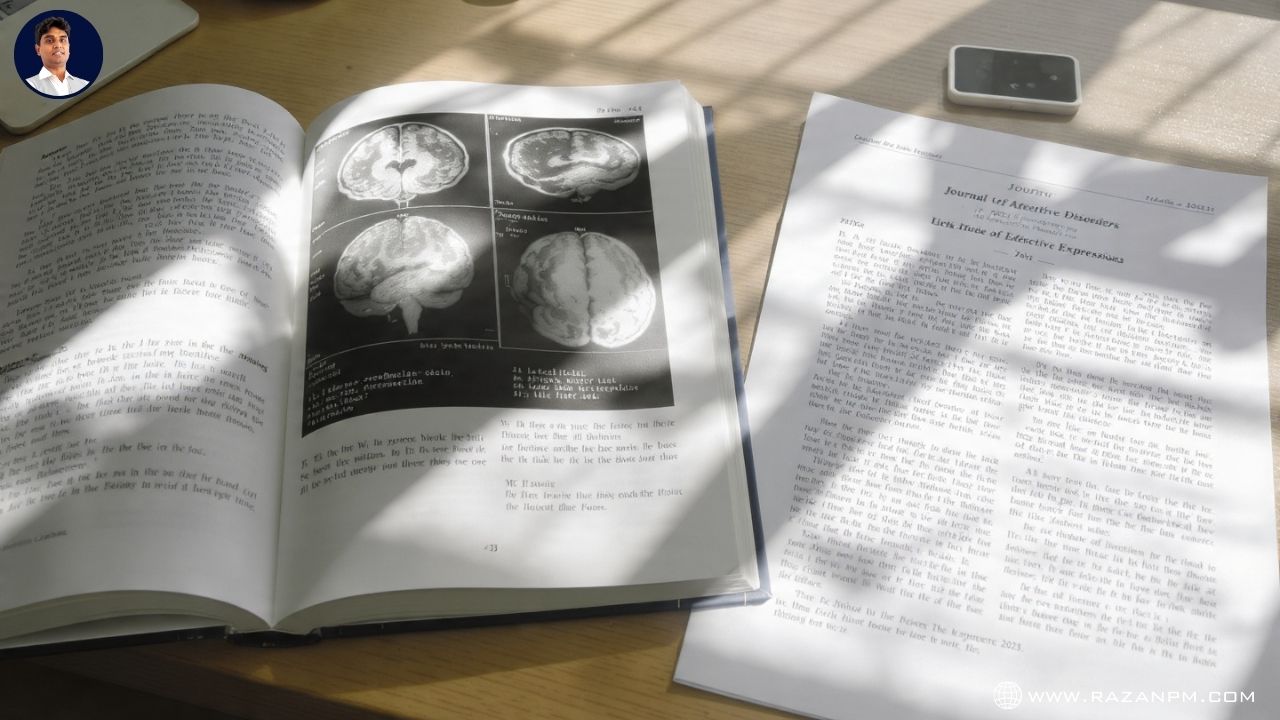
Research consistently shows:
Long-term emotional silence affects immune function and emotional resilience.
In simple words:
Unfelt emotions don’t disappear. They settle into the body and mind.
also read: when effort goes unnoticed and slowly losesmeaning?

Here’s a small but powerful step you can try right now:
The Two-Sentence Truth Practice
Once a day, write or say:
No explanations.
No justification.
Just honesty.
This helps:
Reconnect with emotions
Reduce internal pressure
Train the brain that expression is safe
It’s simple, but clinically effective.
also read: how small daily appreciationprevents emotional burnout?
This practice helps you notice your emotions.
But it doesn’t:
That requires guided emotional work, psychological tools, and personalized healing steps.
Blogs can open awareness.
Healing happens in presence.
also read: how stress hormones affect romanticbonding?
If this blog feels familiar,
If you saw yourself between these lines,
Please know — you are not broken.
Your silence once protected you.
Now it might be asking for care.
As a Govt.Recognized Counsellor & Mind Healer, I support women in gently understanding, expressing, and healing emotional pain — without judgment or pressure.
If this feels close to your heart, you don’t have to figure it out alone.
Book your 1:1 consultation here — a safe space where your emotions are welcome.
👉 Begin Your Journey with a 1 on 1 Consultation
👉 Begin Your Journey with a 1 on 1 Consultation

Women often stay silent due to fear of rejection, emotional conditioning, past trauma, or the belief that expressing feelings may create conflict. Silence feels safer than being misunderstood.
also read: why stable emotions build strongerlong term relationships?
Not always, but long-term emotional silence can be linked to anxiety, depression, or trauma-related stress. It is often a symptom, not a disorder itself.
also read: when professional success createsemotional distance?
Suppressing emotions can lead to overthinking, emotional numbness, anxiety, low self-esteem, and even physical symptoms like fatigue or headaches over time.
also read: how workplace burnout destroysromantic relationships?
Yes. When emotions are not expressed, misunderstandings grow, emotional distance increases, and resentment may silently build inside the relationship.
also read: why families thrive when effort istruly acknowledged?
Emotionally strong women often silence themselves because they are used to handling everything alone. They may fear appearing weak or becoming a burden to others.
also read: why feeling appreciated matters morethan being loved?
Yes. Women who experienced emotional neglect, gaslighting, or invalidation in the past may learn that silence protects them from further pain.
also read: how long working hours quietlyreduce intimacy in marriage?
Common signs include overthinking, people-pleasing, difficulty expressing needs, emotional withdrawal, unexplained sadness, and feeling lonely despite being around others.
also read: how mismatched work schedules createemotional distance?
Small steps like journaling, naming feelings, and practicing honest communication in safe spaces can help. Professional guidance makes this process safer and more effective.
also read: why being together all day stillfeels lonely for couples?
If emotional silence leads to constant distress, anxiety, relationship issues, or physical symptoms, seeking help from a clinical psychologist or emotional healer is strongly recommended.
also read: when work stress replaces emotionalconnection at home?
Yes. Therapy helps women understand emotional patterns, heal past wounds, regulate emotions, and express themselves without fear or guilt.
also read: how dual income couples slowly drift apart withoutnoticing?