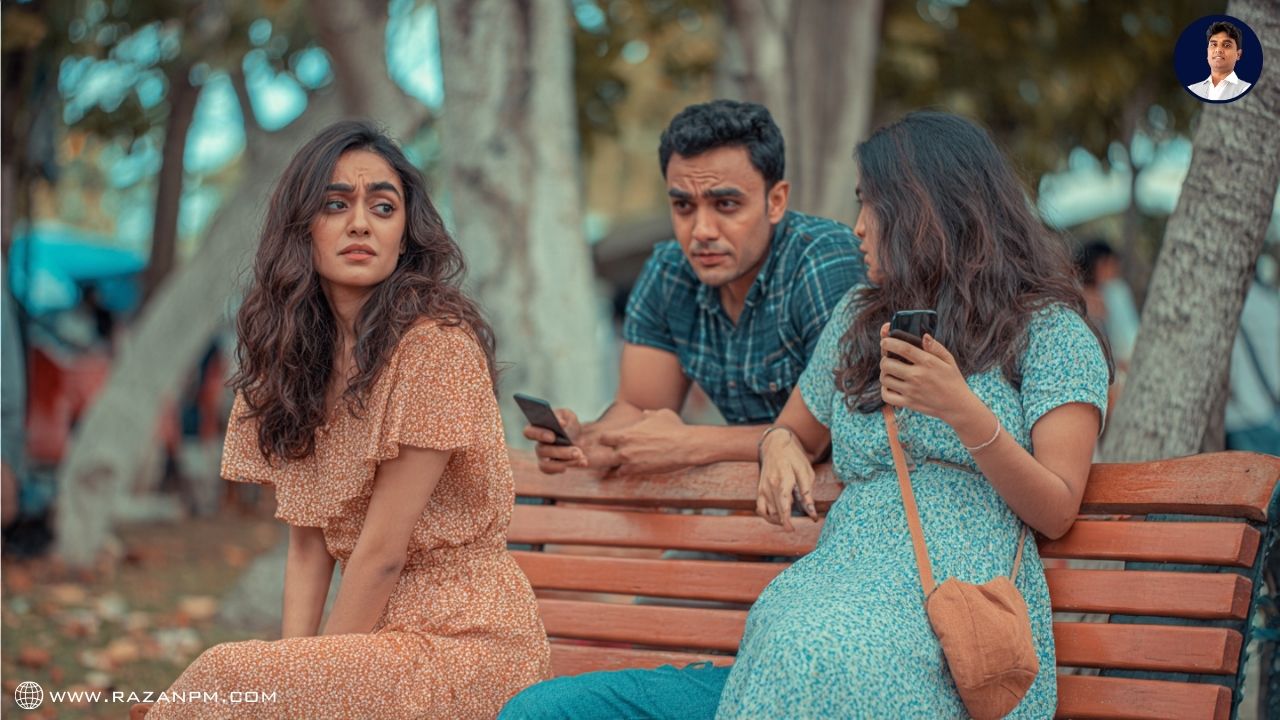
It usually starts with something very small.
You send a message — Seen. No reply.
You ask, “Are you okay?” — Silence.
You plan something sweet — They cancel… again.
And suddenly, your brain does what it does best at 2 a.m.
“Did I say something wrong?”
“Am I boring?”
“Maybe I’m too much.”
One ignored call turns into ten negative thoughts.
One cold response becomes a fear of abandonment.
And before you realize it, you’re not just hurt — you’re anxious.
As a Govt.Recognized Counsellor & Mind Healer, I see this pattern almost every day. What looks like relationship issues on the surface often hides something deeper — anxiety triggered by constant emotional rejection.
And no, you’re not overreacting.
Your nervous system is reacting.
also read: how friendship breakups impactmental health deeply?

Most people don’t say, “I feel rejected.”
They say things like:
In Hinglish, many clients tell me:
“Unka ek cold reply mera poora din kharab kar deta hai.”
What’s happening is subtle but powerful. Constant rejection from a partner — emotional, verbal, or behavioral — slowly chips away at your sense of safety.
You begin to:
Love starts feeling like a test you’re constantly failing.
also read: how friends success triggersjealousy?

When relationship rejection triggers anxiety, the symptoms are not just emotional — they are psychological and physical.
Emotional Signs
Mental Signs
Physical Symptoms
Many people don’t realize this is relationship-induced anxiety. They blame themselves instead.
also read: why gen z is afraid of deepemotional love?
From a clinical perspective, constant partner rejection can activate patterns associated with:
DSM-5
When rejection is repeated, the brain learns a dangerous lesson:
“Connection is unsafe.”
This activates the amygdala (fear center), keeps the body in fight-or-flight mode, and weakens emotional regulation.
In simple words:
Your anxiety is not weakness — it’s a survival response.
also read: why husbands support is crucial infamily disputes?
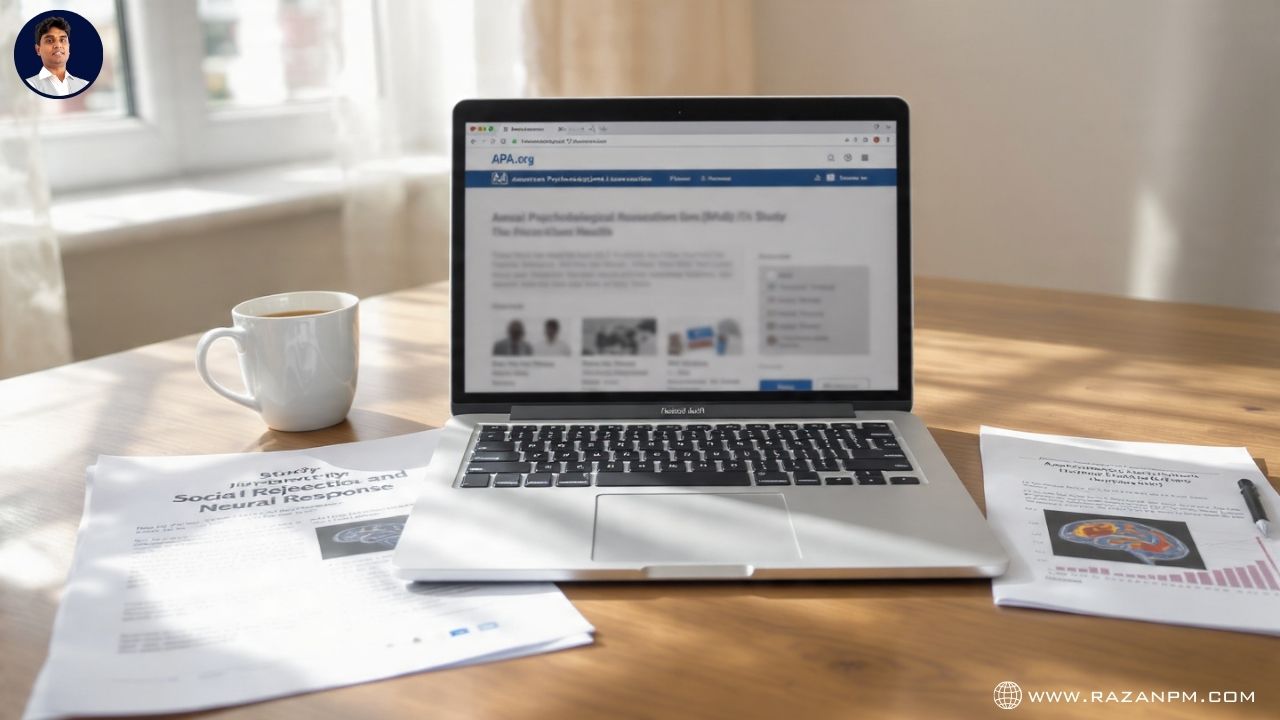
Research strongly supports this connection.
So when you say, “It hurts,” your brain agrees — literally.
also read: when in laws never accept you and itstarts to hurt?
Let me share a story (details changed for privacy).
A client once told me,
“Sir, unka mood hi meri mental health decide karta hai.”
She was intelligent, independent, successful — yet deeply anxious. Her partner wasn’t abusive, but emotionally unavailable. He withdrew whenever she expressed needs.
She blamed herself.
“I should be more understanding.”
“I should expect less.”
But healing began when she realized something crucial:
The problem wasn’t her sensitivity. It was repeated emotional rejection.
Through therapy, nervous system regulation, and inner child healing, she learned to separate love from self-worth.
Her anxiety didn’t vanish overnight.
But her self-respect returned first.
And anxiety slowly lost its grip.
also read: why gen z avoids emotional conflict?
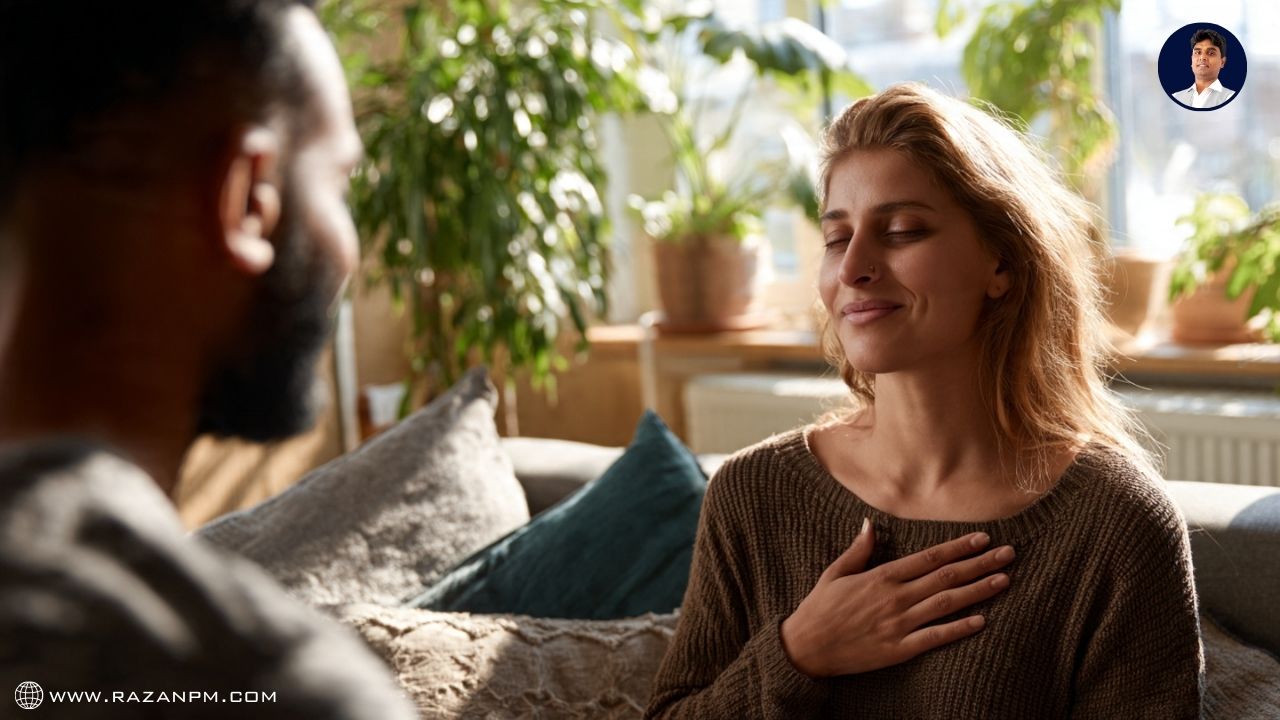
Here’s a small but powerful exercise you can try right now:
The Rejection Reality Check
Next time you feel anxious after a rejection:
1. Pause and breathe slowly for 60 seconds
2. Write down:
Example:
Fact: They didn’t reply.
Mind says: “They don’t care.”
Alternative: “They might be busy. My worth is not decided by one message.”
This helps your brain move from emotional reaction to rational regulation.
Small steps. Big relief.
also read: gen z is shutting down emotionallyhere is why
This exercise helps — but it doesn’t heal the root.
Because anxiety from constant rejection is often linked to:
These need guided emotional work, not just logic.
Healing requires:
And that journey is deeply personal.
also read: how lack of validation from yourpartner triggers anxiety?
If this blog felt familiar, please hear this:
You are not needy.
You are not weak.
You are responding to emotional inconsistency.
And you don’t have to figure it out alone.
As a Govt.Recognized Counsellor & Mind Healer, I gently support individuals who feel anxious, rejected, and emotionally exhausted in relationships.
If you’re ready to understand your anxiety and heal it at the root, you can book a 1:1 consultation here.
Not to fix you — but to help you feel safe within yourself again.
👉 Begin Your Journey with a 1 on 1 Consultation
👉 Begin Your Journey with a 1 on 1 Consultation

Yes. Constant emotional or behavioral rejection from a partner can activate fear responses in the brain, leading to relationship anxiety, overthinking, and fear of abandonment over time.
also read: how to let go of a one sided love?
Partner rejection affects our basic need for emotional safety and belonging. The brain processes social rejection similarly to physical pain, which is why it feels so intense.
also read: 5 common communication problemsafter marriage
Common signs include overthinking conversations, fear of abandonment, emotional dependency, panic before interactions, and mood changes linked to your partner’s behavior.
also read: why anxiety turns into constantmuscle tension?
Yes. Relationship anxiety is recognized under anxiety-related conditions in DSM-5 and ICD-11, especially when linked to attachment issues and ongoing emotional stress.
also read: why google makes your health anxietyworse?
Absolutely. Emotional neglect and withdrawal can make a person feel unseen and unsafe, which often results in chronic anxiety and low self-worth.
also read: how fear of sickness is making youunwell?
People with anxious attachment are more sensitive to rejection. Repeated rejection reinforces their fear of abandonment, increasing anxiety in relationships.
also read: 7 signs you are stuck in a silentidentity crisis
Yes. Continuous emotional rejection can keep the nervous system in fight-or-flight mode, which may lead to panic attacks, chest tightness, and restlessness.
also read: hidden triggers behind gen z selfdoubt
Start by recognizing that your anxiety is a response, not a flaw. Emotional awareness, boundaries, and professional support can help regulate your nervous system.
also read: why phobias trigger fast heartbeatand breathlessness?
Yes. Therapy helps identify emotional patterns, heal attachment wounds, and build inner safety so that your self-worth is no longer dependent on your partner’s reactions.
also read: why your husband feels emotionallycold and distant?
If anxiety affects your sleep, peace of mind, self-esteem, or daily functioning, it’s a sign that guided emotional healing and psychological support can help.
also read: how emotional distance makes a wifefeel invisible?