
It usually starts with something very small.
A casual scroll.
A smile emoji reaction.
A congratulations message typed… and deleted… then typed again.
You’re happy for your friend. Really.
But why does your chest feel tight while smiling?
Why does their success suddenly make your own life feel… smaller?
As a Govt.Recognized Counsellor, I often say this half-jokingly to my clients:
“Jealousy doesn’t walk in loudly. It tiptoes in wearing logic.”
At first, it sounds harmless.
“They worked harder.”
“It’s just timing.”
“My turn will come.”
But slowly, those thoughts spiral into comparison, self-doubt, fear, and emotional exhaustion.
What begins as a normal human emotion quietly turns into mental stress, anxiety, and sometimes deep emotional trauma.
And no one talks about it. Because how do you admit you feel jealous of someone you love?
also read: gen z is shutting down emotionallyhere is why

In my therapy room, people rarely say,
“I feel jealous.”
They say things like:
This is especially common among Gen Z and millennials, where social comparison, constant updates, and performance pressure are everywhere.
You clap for them publicly, but inside you feel:
And then comes guilt.
“Why am I feeling this way? Am I a bad person?”
Let me say this clearly, as a Govt.Recognized Counsellor:
Jealousy does not make you toxic. Unprocessed jealousy makes you suffer.
also read: how lack of validation from yourpartner triggers anxiety?

When friends success triggers jealousy, it doesn’t always look dramatic.
It shows up quietly, emotionally, mentally.
Common signs I see in therapy include:
Some people experience anxiety symptoms, while others slip into low mood or depressive thoughts. The emotion isn’t the problem. The suppression is.
also read: how to let go of a one sided love?
From a clinical lens, jealousy itself is not a disorder.
But when it becomes intense and persistent, it overlaps with conditions described in DSM-5 and ICD-11.
Common associations include:
In psychology, this is deeply linked to upward social comparison, where we measure our worth against those doing “better” than us.
The brain interprets friends success as a threat, not inspiration.
Why? Because the mind asks one painful question:
“What if this means I’m failing?”
also read: 5 common communication problemsafter marriage
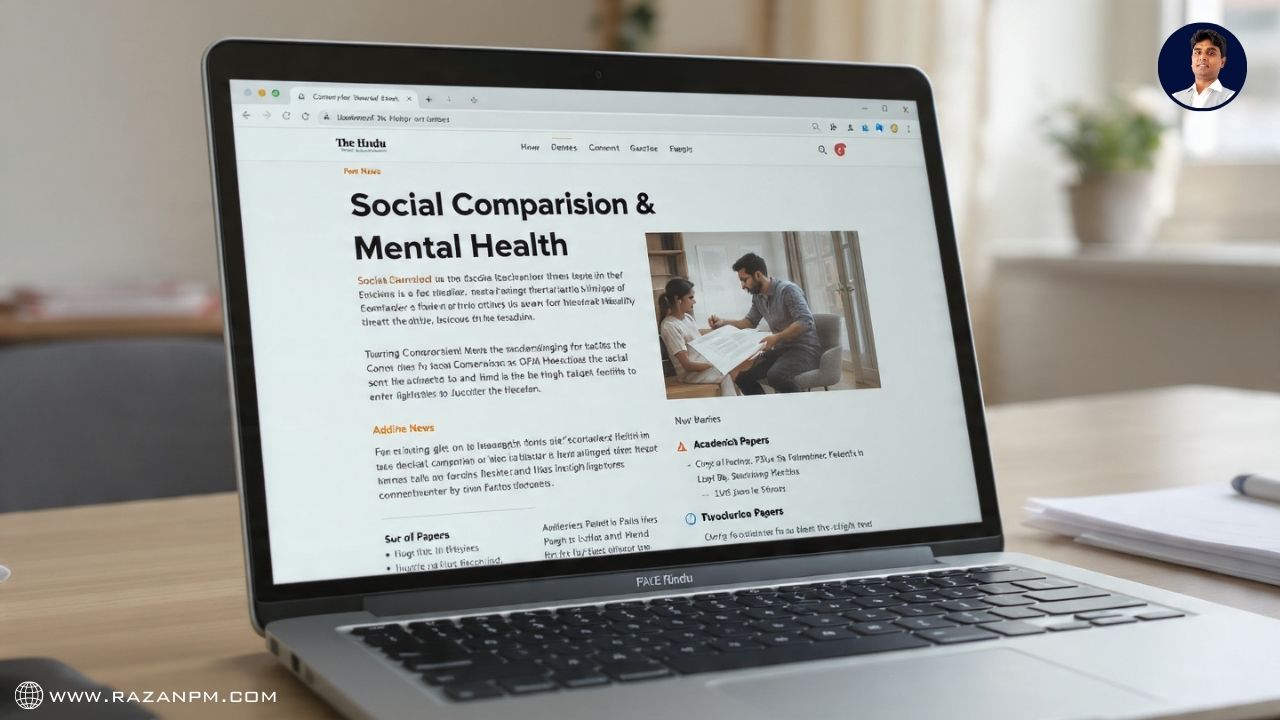
Multiple studies in clinical psychology and behavioral science show that:
A 2020 study published in Journal of Social and Clinical Psychology found that individuals who constantly compare themselves to close peers experience lower life satisfaction and higher emotional distress.
So if you feel this way, it’s not weakness.
It’s a predictable psychological response.
also read: why anxiety turns into constantmuscle tension?
I remember a client in her late twenties. Smart. Kind. Talented.
Her best friend had just started a business that went viral.
She said to me quietly,
“I feel like disappearing. I don’t even hate her success. I hate what it makes me feel about myself.”
That sentence stayed with me.
Healing didn’t come from forcing positivity.
It came from separating her self-worth from someone else’s timeline.
We worked on one simple truth:
Someone else winning does not mean you are losing.
Once that belief shifted, the jealousy softened.
Not overnight.
But gently. Honestly. Safely.
also read: why google makes your health anxietyworse?
Here’s a simple therapeutic practice I often assign:
The Comparison Pause Technique
Next time you feel triggered by friends success:
1. Pause for 10 seconds
2. Name the feeling silently
“I feel insecure right now”
3. Ask one grounding question
“What does this moment need from me?”
4. Write one sentence
“My journey is allowed to look different.”
This is not toxic positivity.
This is emotional regulation.
Do this consistently, and your nervous system slowly learns safety instead of threat.
also read: how fear of sickness is making youunwell?

This small step helps.
But deeper jealousy often hides old wounds:
These patterns don’t dissolve through reading alone.
They need guided emotional processing.
And that’s where real healing begins.
also read: 7 signs you are stuck in a silentidentity crisis
If this blog felt uncomfortably familiar, please know this:
You don’t have to untangle these emotions alone.
As a Govt.Recognized Counsellor & Mind Healer, I help people safely explore jealousy, comparison, anxiety, and self-worth without judgment.
If you feel ready, even a little, you’re welcome to reach out.
A 1:1 consultation can help you understand why this is happening and how to heal it gently.
“If this feels familiar, you don’t have to figure it out alone.
👉 Begin Your Journey with a 1 on 1 Consultation
👉 Begin Your Journey with a 1 on 1 Consultation
Q1. Why does friends success trigger jealousy
Friends success jealousy tab hoti hai jab hum apni self worth ko unki achievements se compare karne lagte hain. Yeh emotional response natural hai, especially jab hum already self doubt ya pressure feel kar rahe ho.
also read: hidden triggers behind gen z selfdoubt
Q2. Is jealousy towards friends normal
Yes, jealousy towards friends bilkul normal human emotion hai. Problem tab hoti hai jab hum is feeling ko suppress kar dete hain instead of understanding and processing it emotionally.
also read: why phobias trigger fast heartbeatand breathlessness?
Q3. How social comparison affects mental health
Social comparison mental health par negative impact dal sakta hai. Constant comparison anxiety, low confidence aur emotional stress ko increase karta hai, especially close friends ke success ke saath.
also read: why your husband feels emotionallycold and distant?
Q4. Can friends success cause anxiety or depression
Haan, friends success anxiety ya low mood trigger kar sakti hai agar already self esteem low ho. Psychology ke according yeh adjustment related emotional response hota hai.
also read: how emotional distance makes a wifefeel invisible?
Q5. How to stop feeling jealous of friends success
Jealousy ko stop karna nahi, samajhna important hota hai. Apni feelings ko accept karna, comparison pause karna aur apne goals pe focus shift karna helpful hota hai.
also read: why your partner cant read yourmind?
Q6. Does jealousy mean I am insecure
Jealousy ka matlab yeh nahi hota ki aap insecure ho. Often yeh unmet emotional needs ya fear of being left behind ka signal hota hai.
also read: why quiet relationships often meandisconnection?
Q7. How to deal with jealousy in friendships
Jealousy in friendships ko handle karne ke liye emotional awareness, self compassion aur healthy boundaries banana zaroori hota hai. Open conversations bhi healing la sakti hain.
also read: why gen z couples regret moving intoo soon?
Q8. Is jealousy linked to low self esteem
Yes, jealousy aur low self esteem often connected hote hain. Jab hum apni value ko external success se measure karte hain, tab jealousy strong ho jati hai.
also read: how past trauma shapes your healthtoday?
Q9. Can therapy help with jealousy and comparison
Therapy jealousy aur comparison ke root causes ko samajhne mein help karti hai. Guided sessions ke through emotional triggers aur inner fears ko safely process kiya ja sakta hai.
also read: how past trauma shapes your healthtoday?