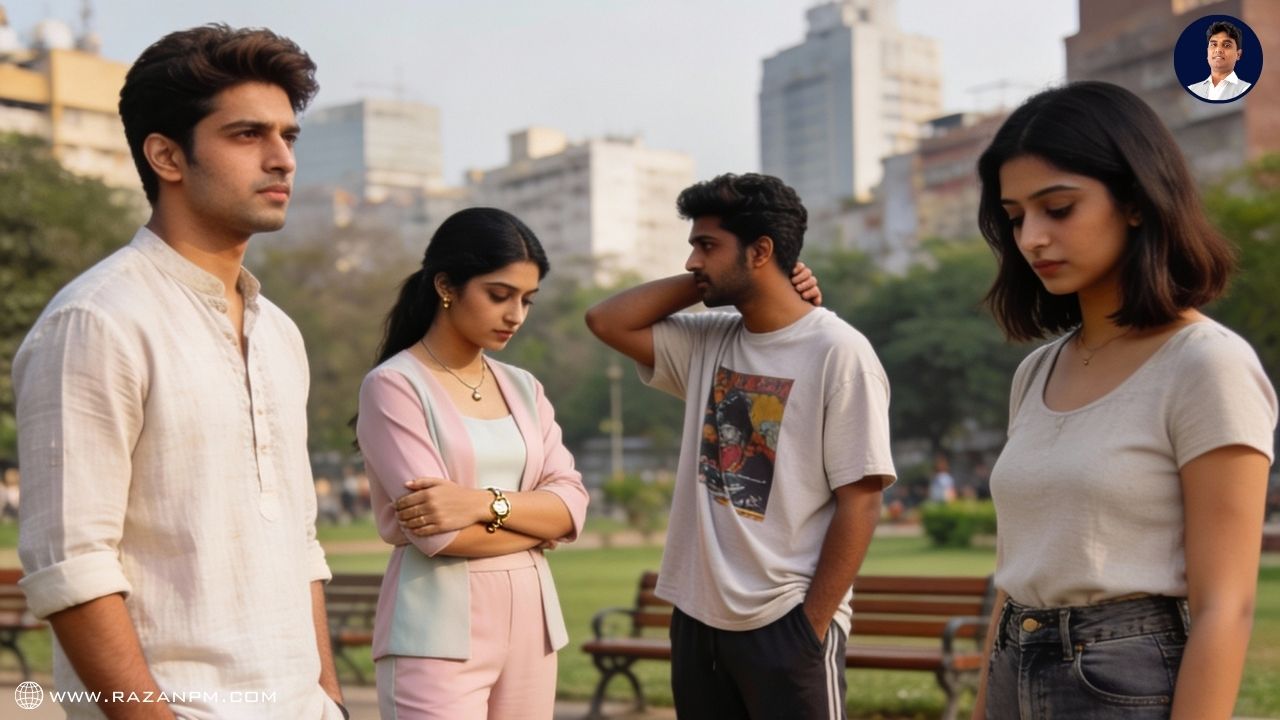
It usually starts with something small.
They didn’t reply for 6 hours.
Your brain replies in 6 seconds.
“Did I say something wrong?”
“Are they bored?”
“Am I too much?”
“Why am I like this?”
Congratulations—you just turned a missing text into a full-blown emotional disaster movie, starring anxiety, self-doubt, and overthinking.
As a Clinical Psychologist, I see this pattern daily. As a mind healer, I feel it deeply. And as a human being… I’ve been there too.
Welcome to the world of Gen Z dating, where love exists, connection exists, feelings exist—but commitment feels terrifying.
This is why situationships feel safer than relationships.
also read: why loneliness hurts more when loveslowly fades?

Most Gen Z clients don’t say:
“I don’t want commitment.”
They say:
Inside, they feel:
In Hinglish bolun toh—
Dil chahta hai connection, par dimaag alarm bajata hai.
This isn’t emotional immaturity.
This is emotional self-protection.
also read: how constant rejection from apartner can trigger anxiety?

Here are common signs I notice in therapy sessions:
These patterns are often mislabeled as “commitment issues,” but clinically, they go much deeper.
also read: why women stay silent whenemotionally hurt?
From a psychological lens, situationships often connect with:
1. Attachment Styles
Many Gen Z individuals show signs of:
This develops when early relationships taught the brain:
Love = unpredictability or pain
So the nervous system learns to stay half-safe.
2. Trauma and Stress Disorders (DSM-5 & ICD-11)
While situationships aren’t a diagnosis, they often overlap with:
Repeated heartbreak, emotional invalidation, or sudden abandonment can create relationship trauma responses.
Your brain isn’t broken.
It’s trying to protect you from pain it remembers.
also read: how friendship breakups impactmental health deeply?

Research supports this shift:
High-volume SEO insights:
This generation didn’t stop believing in love.
They stopped believing in lasting emotional safety.
also read: how friends success triggersjealousy?
Let me share a story (identity changed).
A 24-year-old client once told me:
“I don’t want commitment, but when they leave, it destroys me.”
She was stuck in back-to-back situationships.
During a session, she paused and said:
“Every time someone gets close, I feel like I’m about to lose myself.”
That was the moment.
She wasn’t scared of commitment.
She was scared of losing herself again, like she did in a past relationship where love meant self-sacrifice.
Healing didn’t start with dating advice.
It started with rebuilding emotional safety within herself.
also read: why gen z is afraid of deepemotional love?
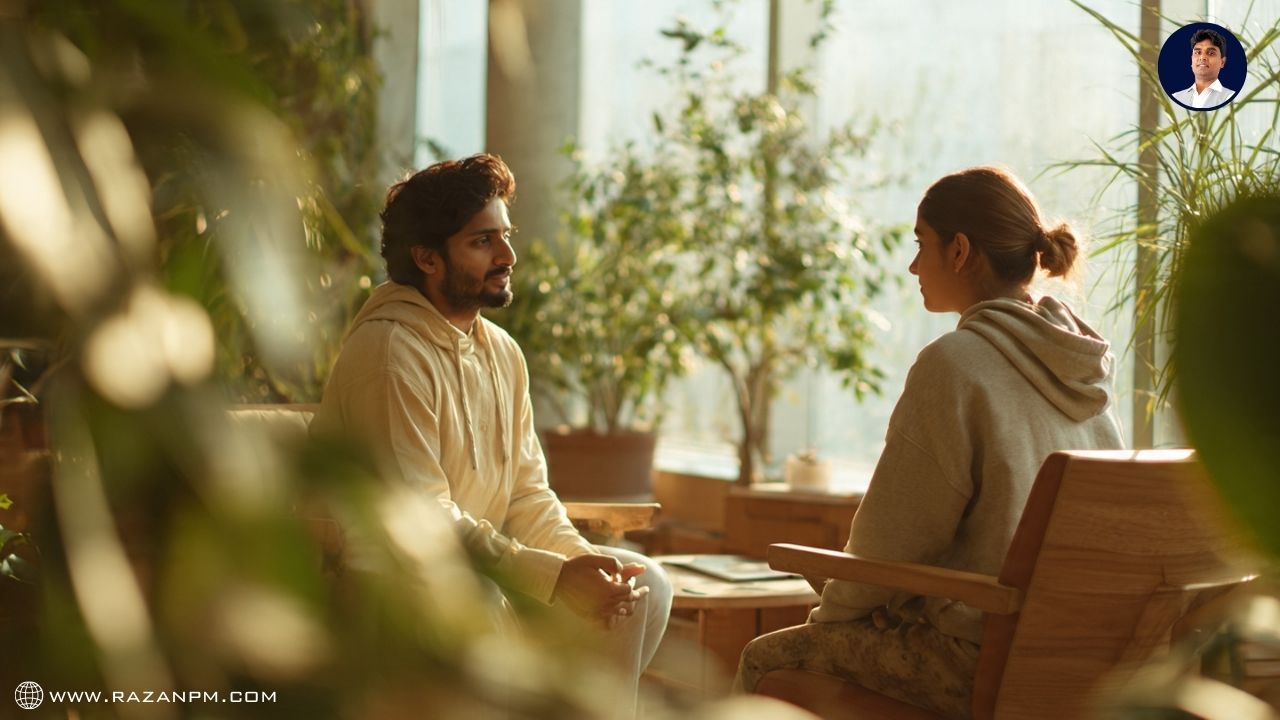
Here’s a small but powerful exercise:
Before entering or continuing a situationship, ask yourself:
1. Do I feel calm or constantly anxious?
2. Am I expressing my needs or silencing myself?
3. Do I feel chosen or just convenient?
4. Am I staying because of connection or fear?
Write the answers. No judgment.
This builds self-awareness, the first step toward secure attachment.
Small step. Big clarity.
also read: why husbands support is crucial infamily disputes?
This exercise helps you see the pattern.
But healing requires:
A blog can open your eyes.
But transformation needs support.
And that’s okay.
also read: when in laws never accept you and itstarts to hurt?
If this blog feels uncomfortably familiar…
If situationships leave you confused, anxious, or emotionally drained…
You don’t have to figure it out alone.
As a Govt.Recognized Counsellor & Mind Healer, I help individuals heal relationship wounds at the root—not just change dating behavior.
If you’re ready to feel emotionally safe again,
Book your 1:1 consultation here.
No pressure. Just support.
Because you deserve love that feels safe, not scary.
👉 Begin Your Journey with a 1 on 1 Consultation
👉 Begin Your Journey with a 1 on 1 Consultation

A situationship is an undefined romantic connection where emotional closeness exists but without clear commitment or labels. It often feels safe emotionally but creates confusion over time.
also read: why gen z avoids emotional conflict?
Gen Z often prefers situationships due to fear of emotional pain, past relationship trauma, anxiety, and avoidant attachment styles. Situationships feel less risky than committed relationships.
also read: gen z is shutting down emotionallyhere is why
Situationships are not always unhealthy, but they can lead to emotional anxiety, overthinking, and insecurity if needs and expectations are unclear or unspoken.
also read: how lack of validation from yourpartner triggers anxiety?
Yes, fear of commitment is common among Gen Z due to increased dating burnout, emotional instability, social media pressure, and past negative relationship experiences.
also read: how to let go of a one sided love?
People with avoidant or anxious attachment styles often choose situationships to maintain emotional distance while still craving connection, leading to push-pull dynamics.
also read: 5 common communication problemsafter marriage
A situationship can turn into a relationship only if both individuals communicate openly, feel emotionally safe, and are willing to commit. Without clarity, it often remains stuck.
also read: why anxiety turns into constantmuscle tension?
Situationships can increase anxiety, emotional confusion, low self-worth, and stress, especially for individuals who desire emotional security and consistency.
also read: why google makes your health anxietyworse?
Healing begins with understanding attachment patterns, setting emotional boundaries, rebuilding self-worth, and seeking professional psychological support when needed.
also read: how fear of sickness is making youunwell?
If fear of commitment, emotional avoidance, or dating anxiety repeatedly affects your relationships and mental peace, therapy can help identify and heal the root causes.
also read: 7 signs you are stuck in a silentidentity crisis
A clinical psychologist helps by addressing emotional trauma, attachment wounds, anxiety patterns, and guiding individuals toward emotionally secure and healthy relationships.
also read: hidden triggers behind gen z selfdoubt