
It usually starts with something very small.
Your friend says, “Can you come even if you’re tired?”
You smile and say, “Of course.”
Inside your mind, however, a full Bollywood tragedy is already playing.
What if they feel bad? What if they think I’m selfish? What if they stop talking to me?
Funny thing is, nothing dramatic has happened yet.
No fight. No rejection. No danger.
Still, your chest feels tight, your stomach feels uneasy, and your brain starts overthinking like it’s preparing for emotional war.
This is how people pleasing quietly enters your life.
Not with noise.
But with a smile that hides exhaustion.
As a Clinical Psychologist and Mind Healer, I’ve seen how pleasing everyone slowly destroys inner peace, self-worth, and emotional safety — while the person still looks “nice” on the outside.
also read: how friendship breakups impactmental health deeply?

Most people who struggle with people pleasing behavior tell me similar things:
“I don’t know who I am without helping others.”
“I feel guilty when I say no.”
“I’m scared people will leave me.”
“I keep adjusting, but I feel empty.”
They are not weak.
They are emotionally intelligent, empathetic, caring souls — but emotionally exhausted.
Many grew up hearing things like:
So they learned early that love comes with conditions.
That acceptance must be earned.
That their needs come last.
Over time, this creates chronic anxiety, emotional burnout, and loss of self-identity — all hidden behind kindness.
also read: how friends success triggersjealousy?

Here are some clear signs people pleasing is harming your mental health:
If you relate to this, please know — you are not broken.
Your nervous system is tired.
also read: why gen z is afraid of deepemotional love?
From a clinical perspective, people pleasing is not a disorder itself, but it is closely linked with several psychological patterns recognized in DSM-5 and ICD-11.
DSM-5 Connections
ICD-11 Perspective
ICD-11 highlights maladaptive coping mechanisms, where individuals sacrifice self-needs to maintain emotional safety.
In simple words:
Your brain learned that being liked equals being safe.
So it keeps choosing approval over peace.
also read: why husbands support is crucial infamily disputes?
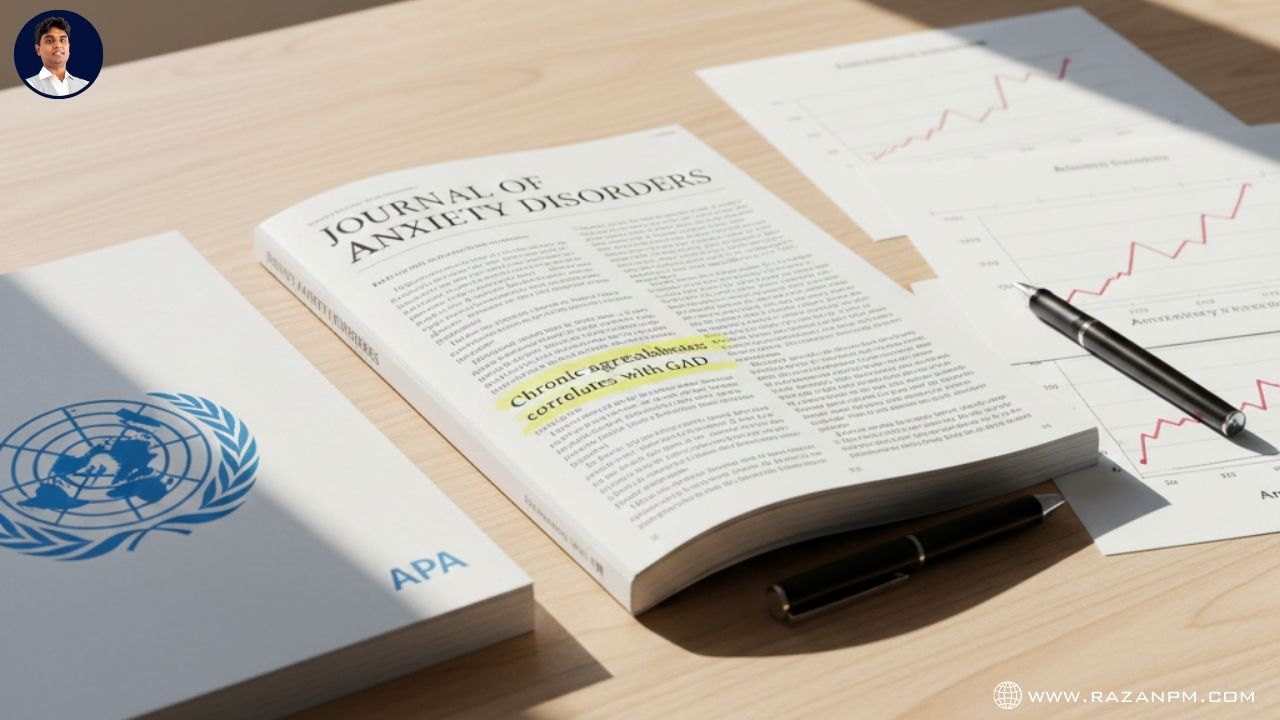
Research supports this strongly.
Science clearly says — kindness without boundaries is self-harm.
also read: when in laws never accept you and itstarts to hurt?
Let me share a story (with permission).
A client once told me,
“I’m everyone’s support system, but I have no one.”
She was successful, loved, and respected — yet emotionally empty.
One day, she cancelled a plan for the first time due to exhaustion.
Her hands were shaking while sending that message.
She expected rejection.
Instead, the other person replied,
“Take care. Rest well.”
She cried.
Not because of guilt — but relief.
That moment was her first experience of choosing inner peace over approval.
Healing began not when she became less kind —
but when she became kinder to herself.
also read: why gen z avoids emotional conflict?
The 24-Hour Pause Technique
Before saying yes to any request, try this:
Say:
“Let me check and get back to you.”
This pause:
Then ask yourself:
If yes feels heavy — it’s a no.
Respect that.
Small boundaries build big peace.
also read: gen z is shutting down emotionallyhere is why
This small step helps — but let’s be honest.
People pleasing is not a habit.
It’s a deep emotional pattern formed through years of conditioning, attachment wounds, and survival responses.
Real healing requires:
These are guided processes, not quick tips.
also read: how lack of validation from yourpartner triggers anxiety?
If this blog felt like someone finally understood you,
you don’t have to figure it out alone.
As a Clinical Psychologist and Mind Healer, I help people heal people pleasing at the root — with compassion, not judgment.
If this feels familiar,
you deserve support, not struggle.
👉 Book your 1:1 consultation here Because your peace matters too.
👉 Begin Your Journey with a 1 on 1 Consultation
👉 Begin Your Journey with a 1 on 1 Consultation

Answer: In psychology, people pleasing means prioritizing others’ needs, approval, and emotions over your own to avoid conflict, rejection, or guilt. It often develops as a coping mechanism linked to anxiety, attachment issues, or past emotional trauma.
also read: how to let go of a one sided love?
Answer: Yes. Chronic people pleasing leads to emotional exhaustion, suppressed feelings, anxiety, and loss of self-identity. Over time, it creates constant inner conflict, which slowly destroys mental and emotional peace.
also read: 5 common communication problemsafter marriage
Answer: Common signs include difficulty saying no, fear of disappointing others, overthinking conversations, guilt after setting boundaries, emotional burnout, and constantly seeking approval to feel safe or valued.
also read: why anxiety turns into constantmuscle tension?
Answer: Guilt comes from early conditioning where love and acceptance felt conditional. The brain associates saying no with danger or rejection, even when logically it is healthy and necessary.
also read: why google makes your health anxietyworse?
Answer: Yes. People pleasing is strongly linked to anxiety disorders, attachment trauma, and emotional neglect. According to clinical psychology, it often develops as a survival response to maintain emotional safety.
also read: 7 signs you are stuck in a silentidentity crisis
Answer: Long-term people pleasing can cause chronic stress, anxiety, depression, emotional numbness, low self-worth, and difficulty understanding personal needs and boundaries.
also read: hidden triggers behind gen z selfdoubt
Answer: Absolutely. With awareness, boundary work, nervous system regulation, and emotional healing, people pleasing patterns can be gradually unlearned and replaced with healthy self-respect.
also read: why phobias trigger fast heartbeatand breathlessness?
Answer: The first step is pausing before saying yes. Creating space between a request and your response helps reduce guilt-based decisions and reconnects you with your true emotional capacity.
also read: why your husband feels emotionallycold and distant?
Answer: While small steps help, deep-rooted people pleasing patterns often require guided emotional healing. Therapy or psychological support helps address attachment wounds and build safe boundaries without fear.
also read: how emotional distance makes a wifefeel invisible?
Answer: A clinical psychologist helps identify root causes, heal emotional wounds, regulate the nervous system, and develop guilt-free boundaries—so kindness no longer comes at the cost of inner peace.
also read: why your partner cant read yourmind?
