
It starts with something as simple as breakfast.
You make his favorite paratha, place it on the table with love, and say, “Good morning.”
He nods, checks his phone, and walks out — not a single word more.
You tell yourself, “Maybe he’s tired,” but slowly, that silence starts living in your heart rent-free. You replay his tone, his words (or lack of them), and before you know it — ek chhoti si baat turns into a tsunami of self-doubt.
You start wondering — Is it me? Did I do something wrong? Has he stopped loving me?
And that’s how many women unknowingly slip from small sadness to emotional pain… even to mental trauma.
also read: why your partner cant read yourmind?

As a Govt.Recognized Counsellor & Mind Healer I often hear women say:
That emotional distance feels like standing beside someone yet feeling utterly alone.
When your partner turns emotionally cold, your mind becomes a detective — decoding every look, every pause. You feel invisible, unworthy, and exhausted from trying to fix what you didn’t break.
You might even start believing something’s wrong with you — when in reality, you’re just starving for emotional connection.
also read: why quiet relationships often meandisconnection?
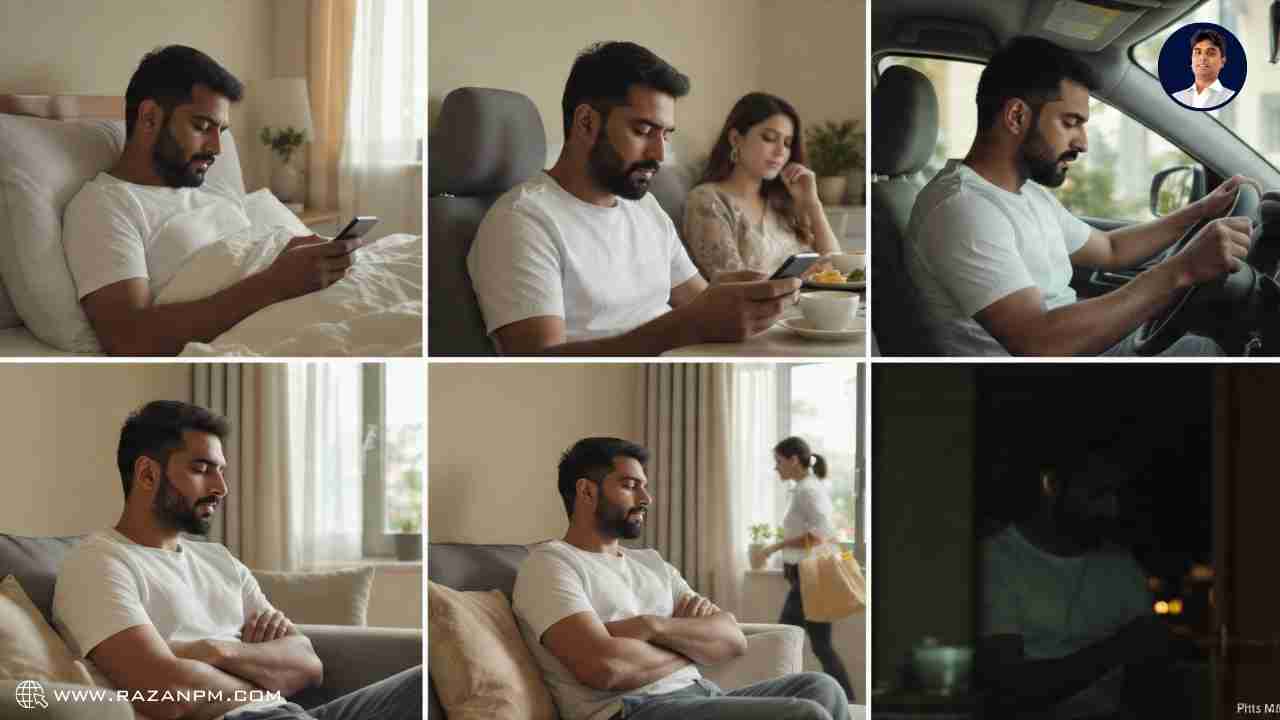
Here are some signs your husband may be emotionally distant (based on real clinical patterns I’ve observed):
1. Minimal communication – Conversations feel mechanical or one-sided.
2. Avoids emotional topics – Any talk about feelings, future, or relationship is shut down.
3. Physical closeness fades – Hugs, affection, or intimacy become rare.
4. Irritability or withdrawal – He gets annoyed easily or prefers to stay alone.
5. No emotional validation – Your feelings are often dismissed or ignored.
6. Low empathy – You share something painful, and he reacts with logic, not compassion.
If these sound familiar, please know — you’re not imagining it. Emotional detachment is real, and it can deeply affect your mental health, leading to anxiety, low self-worth, and even emotional burnout.
also read: why gen z couples regret moving intoo soon?
From a clinical lens, emotional coldness can stem from several psychological roots.
In DSM-5 (Diagnostic and Statistical Manual of Mental Disorders) and ICD-11 (International Classification of Diseases), such emotional unavailability often links with:
In simple words, your husband might not be choosing to be cold — he may be conditioned to protect himself from emotional vulnerability.
Many men, especially in our culture, are raised with the belief that “men don’t cry.” They learn to hide pain behind silence, and that suppression eventually becomes emotional distance.
also read: how past trauma shapes your healthtoday?
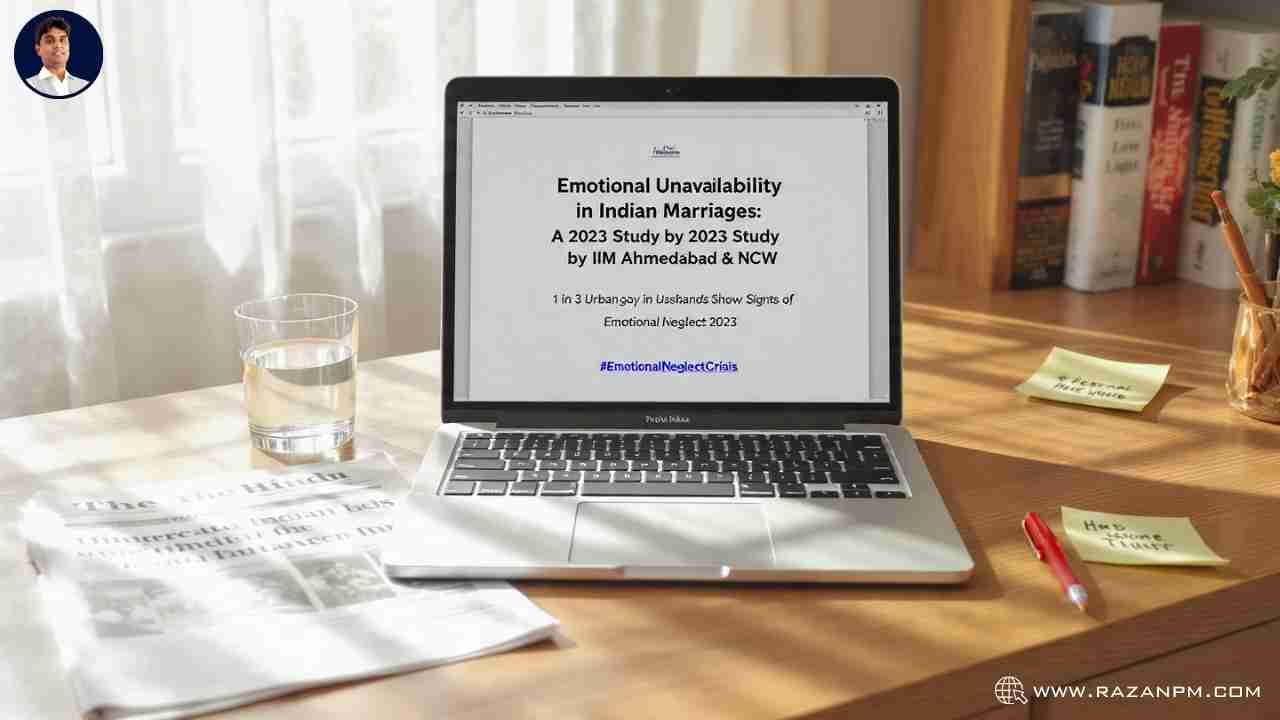
Studies back this up.
Another study by the American Psychological Association found that emotional suppression in men leads to higher stress, anxiety, and poor communication — all of which contribute to emotional coldness in marriage.
So, it’s not “just in your head.” There’s a scientific explanation for why some partners emotionally withdraw.
also read: 7 signs your addiction may be hidingdepression
I remember a client — let’s call her Ria.
She came to me with tears, saying, “Doctor, my husband is a good man, but I feel invisible.”
She had tried everything — date nights, heartfelt messages, even silent treatments — but nothing melted his coldness.
As we began therapy, I invited her husband once. During our session, he sat stiff, arms crossed. After a long pause, he whispered,
“I’m not distant because I don’t care… I’m distant because I’m scared.”
That one sentence broke years of silence.
He later revealed he grew up in a home where emotions were mocked. Vulnerability meant weakness. So he learned to “switch off” his emotions.
Through therapy, he slowly re-learned how to express affection, comfort, and warmth — not by changing his personality but by healing his emotional wounds.
And that’s when Ria said something I’ll never forget —
“He didn’t become someone new; he became himself again.”
also read: 5 ways couples reignite love after along break

Here’s a small but powerful step you can try if your husband feels emotionally distant:
1. Choose a calm moment – not during an argument or busy time.
2. Start with empathy, not accusation. Instead of “You never talk to me,” say “I miss us. I miss our old conversations.”
3. Use the “I feel” approach. Example: “I feel lonely when we don’t connect emotionally.”
4. Pause after sharing – give him time to process.
5. Acknowledge any small effort he makes to open up — even if it’s minimal.
This creates a psychological “safe zone” — where communication grows not from pressure but from emotional safety.
also read: how texting culture is changing genz relationships
Of course, this one tip won’t transform everything overnight. Emotional coldness often hides years of unhealed patterns and trauma.
These steps require professional guidance — not because you’re broken, but because healing emotional distance needs structured support and compassionate understanding.
also read: the real psychology behind left onread anxiety
If you’ve read till here and found your story hidden between these lines…
Please know — you’re not alone.
Emotional distance can make even the strongest souls feel invisible, but healing is possible.
You don’t have to fix it all in silence. Sometimes, a guided conversation can do what years of pain couldn’t.
🌷 If this feels familiar, you don’t have to figure it out alone.
👉 Book your consultation here — and let’s gently rediscover warmth, trust, and emotional closeness in your relationship.
Because even a frozen heart… can melt with the right understanding. ❤️
👉 Begin Your Journey with a 1 on 1 Consultation
👉 Begin Your Journey with a 1 on 1 Consultation
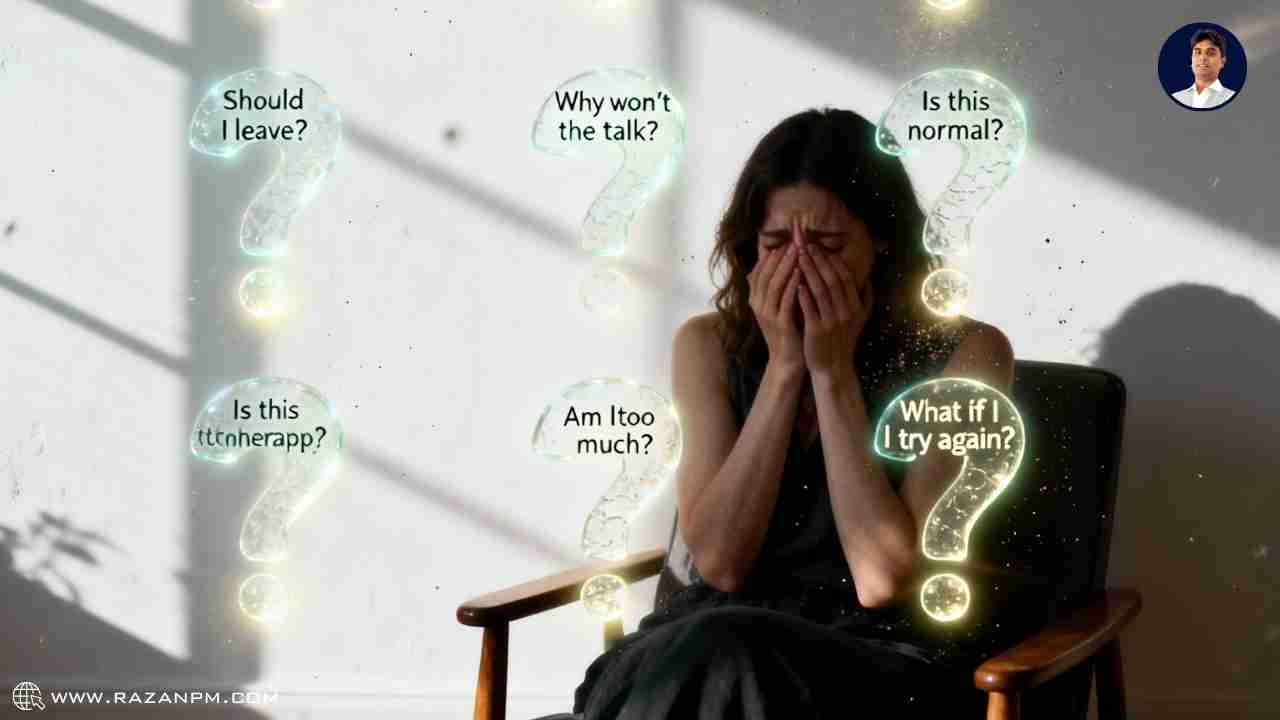
Emotional distance often comes from deep-rooted fears or emotional suppression. Many men grow up believing emotions are weakness, so they hide vulnerability behind silence. It’s not always about you — sometimes, it’s about unhealed emotional wounds from the past.
also read: how disorders like insomnia fueldepression?
Start with empathetic conversations, not confrontations. Use “I feel” statements instead of blame. Example: “I miss how close we used to be.” Give him emotional safety, not pressure — it helps him slowly open up.
also read: how isolation triggers illness anddepression together?
Yes, therapy can help a lot. Through guided sessions, he can learn to understand and express emotions better. As a Govt.Recognized Counsellor & Mind Healer, I’ve seen men rediscover warmth and empathy once they feel emotionally safe in therapy.
also read: how to stop the cycle of pain anddepression?
Absolutely. Feeling emotionally lonely even in marriage is more common than you think. It doesn’t mean your marriage is broken — it means your emotional connection needs healing. Recognizing it early is the first step to rebuild intimacy.
also read: what to do when i love you gets noreply?
If your husband avoids emotional discussions, don’t force it. Start small — share your feelings gently and reward any effort he makes to respond. Sometimes, men need time and trust to break old emotional walls.
also read: how fear of rejection kills realconnection?
There’s no fixed timeline — healing emotional distance is a gradual process. With consistency, empathy, and the right guidance, emotional warmth can return within weeks or months, depending on both partners’ effort.
also read: why timing turns simple talks intobig arguments?
If your emotional pain turns into anxiety, sadness, or frequent self-blame — it’s time to talk to a professional. Healing doesn’t mean something’s wrong with you; it means you care about your emotional well-being.
also read: how everyday pressure breaks yourmind?
