
Sometimes a single question is enough to hijack a woman’s peace of mind.
Let’s start with something light—but painfully familiar.
You’re scrolling Instagram. One reel shows a perfect mom packing organic lunches. Another post announces “We’re expecting!”
Suddenly your brain whispers:
“Am I late?”
“Is something wrong with me?”
“Why don’t I feel excited?”
And boom 💥—a harmless scroll turns into anxiety, guilt, fear, and emotional overload.
As a Govt.Recognized Counsellor & Mind Healer, I see this every day. Not because women hate motherhood—but because motherhood is often treated as an obligation, not a choice.
also read: how comparing marriages destroywomens inner peace?

In many cultures (especially ours), motherhood isn’t presented as a journey—it’s presented as a deadline.
A woman grows up hearing:
No one asks:
👉 Do you want this right now?
👉 Are you emotionally ready?
👉 Is your mind feeling safe enough?
When motherhood pressure replaces emotional readiness, the mind doesn’t bloom—it panics.
This pressure silently creates emotional trauma in women, even before a child arrives.
also read: why many women feel lonely aftermarriage?

Most women don’t say this out loud. But inside, they feel:
Many tell me in therapy:
“I feel broken… like something is wrong with me.”
Let me say this clearly (and gently):
Nothing is wrong with you. Something is wrong with the expectation.
also read: why living with in laws drainsemotional health?
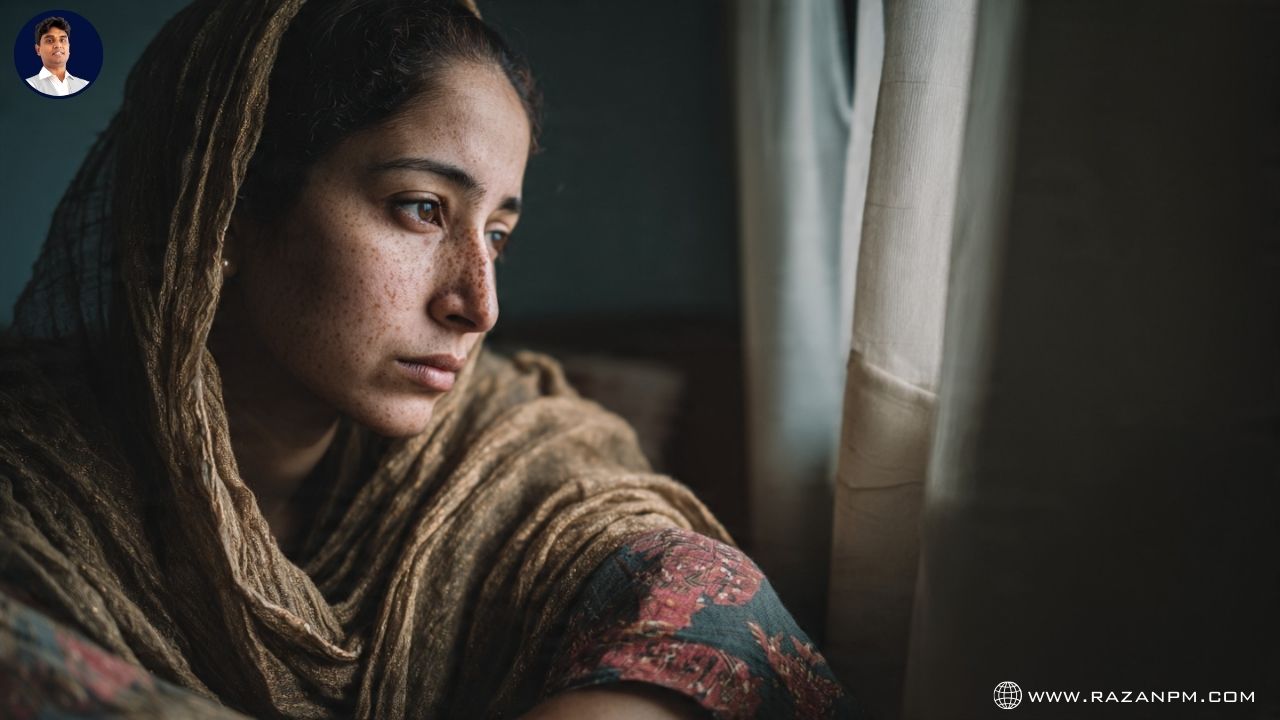
When motherhood is forced emotionally, the mind reacts. Common psychological signs include:
These are not “drama.”
These are mental health signals asking for care.
also read: why women are called difficult forsetting boundaries?
From a clinical lens:
DSM-5 recognizes conditions like:
When a woman feels loss of autonomy, chronic stress, and emotional invalidation, the nervous system stays in survival mode.
Motherhood imposed without emotional consent can activate:
This is why mental health after marriage and emotional well-being of women deserve urgent attention.
also read: why marriage changes a woman morethan you realize?

Research supports this reality:
👉 A calm, willing mind creates healthier motherhood than forced timelines.
also read: the full time job married women dowithout pay
Let me tell you about Riya (name changed).
She was married for two years. Every family function felt like an interrogation room.
“Good news kab sunaogi?”
She smiled. Inside, she was terrified.
Riya didn’t hate children. She hated the pressure.
She felt unseen, unheard, and emotionally cornered.
In therapy, she cried and said:
“I feel like my body is public property.”
We didn’t start with “baby planning.”
We started with healing her nervous system, rebuilding self-trust, and separating her desire from society’s noise.
Months later, she said something powerful:
“Now, even if I choose motherhood, it will be my choice—not fear’s.”
That’s the shift.
Not rejection of motherhood—but reclaiming emotional agency.
also read: why marriage expectations hurt womenmore than we admit?

Here’s a small but powerful exercise you can try today:
The “Whose Voice Is This?” Practice
When anxiety about motherhood arises, pause and ask:
1. Is this my desire or someone else’s expectation?
2. What emotion am I actually feeling—fear, guilt, or confusion?
3. Place one hand on your chest and take 5 slow breaths.
4. Say (even mentally):
“I am allowed to move at my emotional pace.”
This simple grounding technique helps your brain shift from fear to awareness.
Small steps. Big relief.
also read: how financial support turns intocontrol in marriage?
This blog can open your eyes—but deep healing needs guidance.
Because:
True healing involves:
These steps are personal, not generic. And they deserve a safe, guided space.
also read: why marriage changes how societysees women?
If any part of this blog felt familiar…
If your heart whispered “this is me”…
Please know—you don’t have to figure this out alone.
As a Govt.Recognized Counsellor & Mind Healer, I offer a safe, non-judgmental space where your emotions are respected, not rushed.
✨ If this feels familiar, you don’t have to carry it silently.
👉 Book your 1:1 consultation here and let’s gently untangle what’s weighing on your mind.
No pressure. No labels. Just support.
👉 Begin Your Journey with a 1 on 1 Consultation
👉 Begin Your Journey with a 1 on 1 Consultation

Yes, it is very common—especially in cultures where motherhood is seen as a duty. However, feeling pressured can lead to anxiety, emotional distress, and self-doubt. What you’re feeling is not selfish; it’s your mind asking for emotional readiness and personal choice.
also read: hidden responsibilities women handle withoutcredit
Yes. Constant societal or family pressure can trigger motherhood-related anxiety, adjustment disorder, or even depression. According to DSM-5 and ICD-11, chronic stress related to life role expectations can significantly affect mental health.
also read: marriage guilt every successful woman secretlyfeels?
Emotional readiness is not about age—it’s about stability. You may feel ready when:
If the thought of motherhood brings fear more than joy, your nervous system may need care first.
also read: why marriage stress hits womens mental healthhard?
Q4️. Is it wrong to delay pregnancy for mental health reasons?
No, it is not wrong. Mental health is a crucial part of overall well-being. Research shows that women who feel emotionally prepared tend to experience healthier maternal bonding and lower stress levels.
also read: when marriage suffers because family always comesfirst?
Some common signs include:
These are signals—not weaknesses.
also read: 7 reasons women stay silent when emotionally hurt?
Absolutely. A Govt.Recognized Counsellor & Mind Healer for women’s mental health can help you:
Therapy creates a safe space where your emotions are validated, not judged.
also read: why so many people struggle with hyperindependence trauma?
You can gently set boundaries like:
Boundary-setting is not disrespect—it is emotional self-care.
also read: why a wifes higher income triggers emotionaldistance in men?
No. Every woman’s journey is unique. Not feeling ready does not mean you lack maternal instinct. It simply means you value emotional preparedness over social pressure.