
Let me start with something light...
A husband says jokingly, “You’re overthinking again.”
She laughs. “No yaar, I’m fine.”
But later that night, while folding laundry at 11:47 PM, her mind whispers:
Am I really overthinking?
Why do I feel so tired all the time?
Why does this small thing hurt so much?
One small comment.
One small expectation.
And suddenly a tiny spark turns into anxiety, self doubt, and silent emotional pain.
As a Clinical Psychologist and Mind Healer, I have seen how everyday marriage roles that look “normal” slowly create emotional trauma in women. Not dramatic abuse. Not loud fights. Just quiet, unequal expectations that chip away at self worth.
And most women don’t even realize it’s happening.
also read: how small doubt turn into permanentemotional walls?
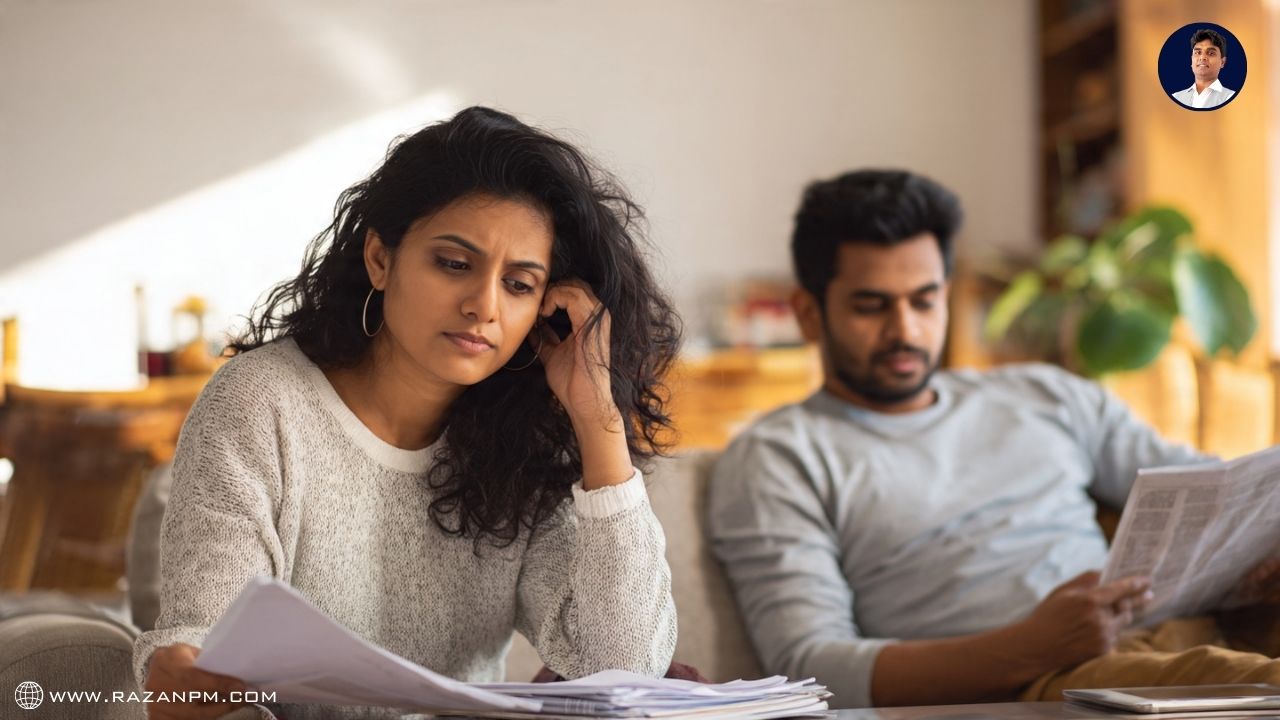
Marriage is supposed to be partnership. Equal love. Equal respect.
But in many homes, even today, roles quietly follow an old script:
These patterns are so common that they feel “normal.” But normal does not mean healthy.
When roles consistently treat women as default caregivers, default peacekeepers, default emotional managers, inequality becomes invisible.
And invisible pain is the hardest to heal.
also read: why feeling loved is aboutunderstanding not effort?
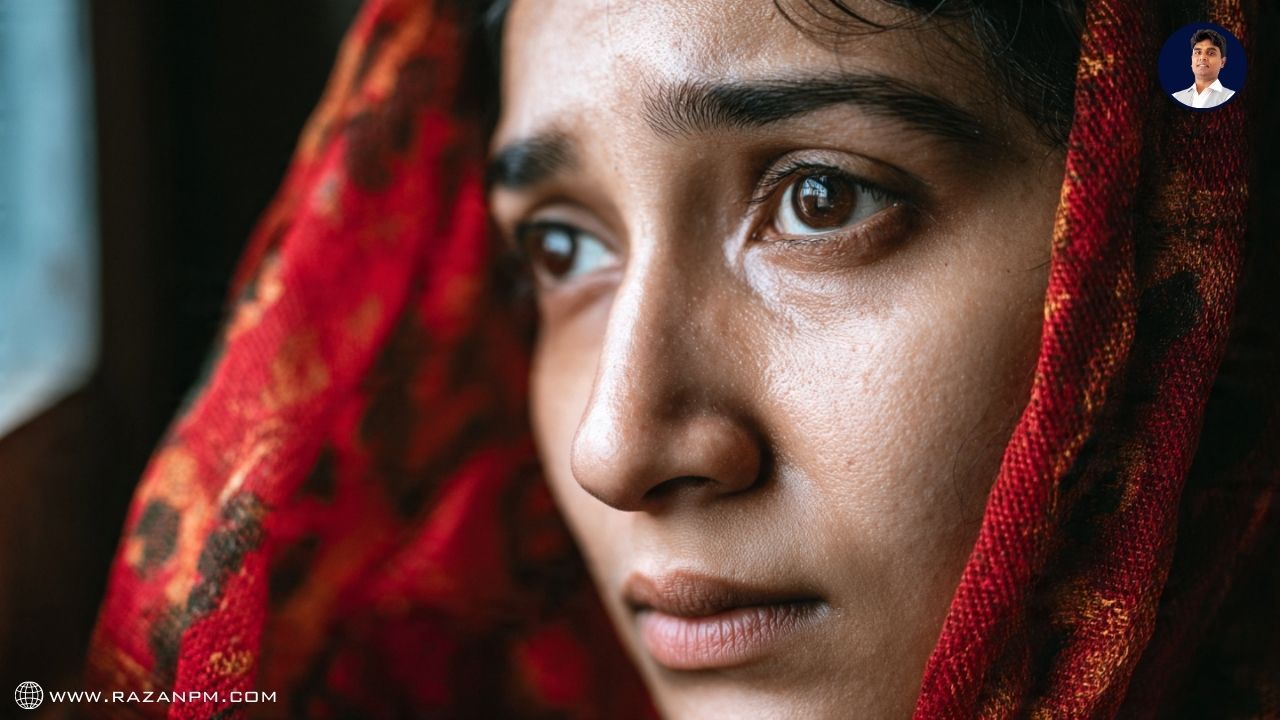
When women sit in my therapy room, they rarely say, “I am treated unequally.”
They say:
Underneath these words lies something deeper.
A woman who once had dreams now feels guilty for wanting rest.
A wife who earns equally still carries the emotional load.
A mother who loves her family feels resentful and then ashamed for that resentment.
This internal conflict creates emotional stress.
She loves her family. But she also feels invisible inside it.
That’s where the trauma begins.
also read: when she stops fighting and startwithdrawing?
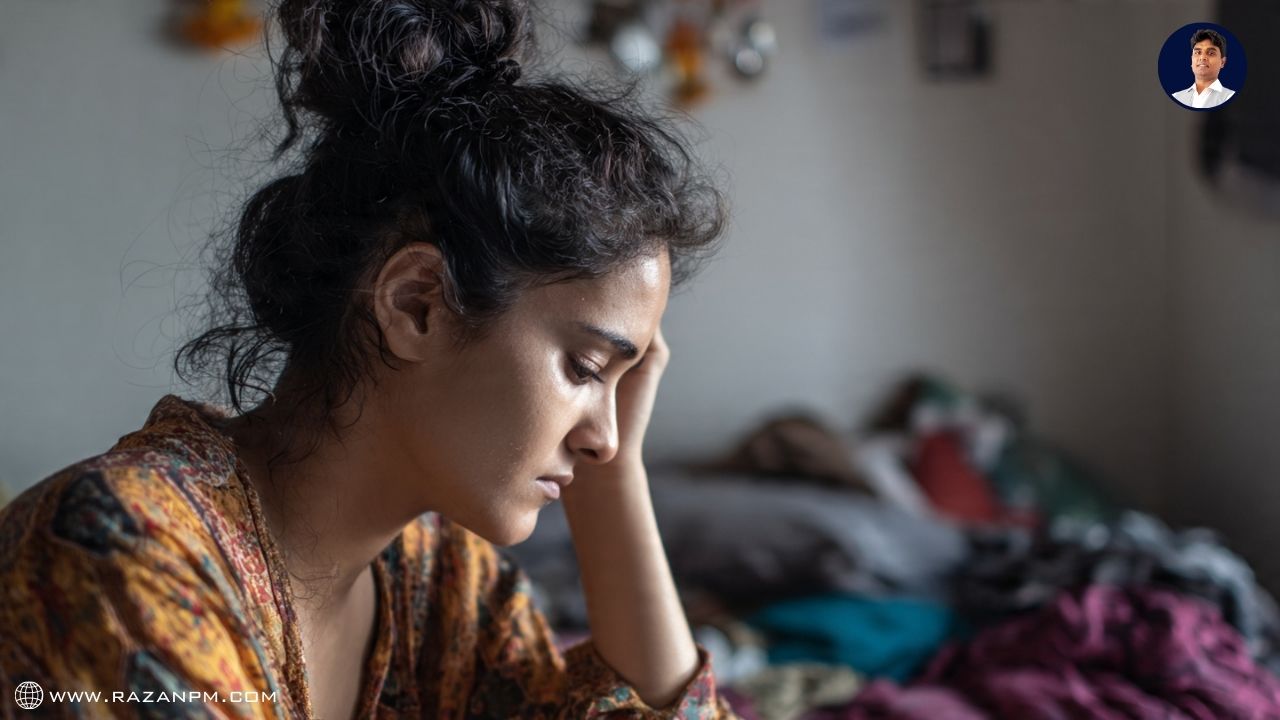
You may not call it inequality. But your mind and body will show signs.
Emotional Signs
Mental Signs
Physical Signs
When emotional labor is constant and unrecognized, the nervous system stays in stress mode.
Over time, this can develop into anxiety disorders or depressive symptoms.
also read: how family interference breaks happycouples?
From a clinical perspective, unequal marriage roles can contribute to mental health conditions recognized in:
For example:
Adjustment Disorder
When a woman struggles to cope with ongoing stress related to marital expectations, she may experience persistent sadness, worry, and emotional distress that fits criteria for Adjustment Disorder.
Major Depressive Disorder
If feelings of worthlessness, fatigue, sleep disturbance, and loss of interest persist for more than two weeks and impair daily functioning, it may meet criteria for depression.
Generalized Anxiety Disorder
Constant overthinking about doing things “perfectly” to avoid criticism or conflict may evolve into chronic anxiety.
It is important to understand:
The problem is not that women are “too sensitive.”
The problem is prolonged emotional inequality triggering psychological stress responses.
also read: when ego wins and love startslosing?

Research on emotional labor shows that women perform significantly more invisible household and relational management tasks than men, even in dual income marriages.
Studies in marital satisfaction consistently find:
The World Health Organization also reports higher rates of anxiety and depression among women globally, often linked to social and relational stressors.
Marriage itself is not the cause.
Unequal expectations are.
When roles are rigid, identity becomes restricted.
And restricted identity creates psychological suffocation.
also read: how financial problems break strongmarriages?
Let me share a story.
A client once told me, “I don’t even know what I like anymore.”
She was a successful professional. After marriage and children, she slowly took on more responsibilities. Not because someone forced her violently. But because “it just happened.”
She said, “If I don’t do it, who will?”
One day, during therapy, I asked her, “What would happen if you didn’t?”
She froze. Then she whispered, “Everything would fall apart.”
But when we tested this belief gently, something surprising happened.
She stopped doing one small task that she usually handled alone. She communicated clearly. She allowed discomfort. She tolerated the guilt.
Nothing collapsed.
Instead, her husband slowly started participating more when she stopped silently over functioning.
That was her breakthrough.
The real solution is not fighting.
It is not blaming.
It is not becoming emotionally cold.
The solution begins with awareness and boundaries.
also read: why emotional safety is the realrelationship glue?

Here is one small but powerful exercise.
The Invisible List Exercise
Step 1
Write down everything you manage in your marriage. Not just tasks. Emotional responsibilities too.
Examples:
Step 2
Circle the tasks that are never acknowledged.
Step 3
Pick one small responsibility from that list. Just one.
Communicate calmly:
“I feel overwhelmed handling this alone. Can we share it?”
No blame. No drama. Just clarity.
Observe your emotional reaction. Notice guilt. Notice fear. Sit with it.
This small step begins rewiring the belief that your worth equals your sacrifice.
But remember, this is only the surface.
also read: how to fix emotional loneliness withyour partner?
Deeply unequal marriage roles are often rooted in childhood conditioning, cultural expectations, attachment styles, and trauma patterns.
If you grew up seeing women over function and stay silent, your nervous system may associate sacrifice with love.
Changing that pattern requires:
These processes cannot fully unfold in one blog.
Real transformation needs guided emotional work.
also read: why talking more is not fixingemotional distance?
If this feels familiar, please know you are not weak.
You are not dramatic.
And you are definitely not alone.
Unequal marriage roles can quietly affect womens mental health, leading to anxiety, depression, emotional burnout, and identity loss.
As a Govt.Recognized Counsellor & Mind Healer, I have helped many women rebuild balance without breaking their relationships.
If this resonates with you, you don’t have to figure it out alone.
Book your 1 1 consultation here and let us gently untangle what feels heavy inside your heart.
Because marriage should not cost you your identity.
👉 Begin Your Journey with a 1 on 1 Consultation
👉 Begin Your Journey with a 1 on 1 Consultation

Unequal marriage roles refer to situations where household, emotional, and caregiving responsibilities are unfairly distributed, usually placing more burden on women. This often includes invisible emotional labor, decision making pressure, and constant adjustment expectations.
also read: who decides what married women canwant?
Traditional marriage roles can increase stress, anxiety, emotional burnout, and even depression when women consistently carry more responsibility without appreciation or support.
also read: when motherhood is treated as anobligation?
Emotional labor in marriage means managing not only tasks but also feelings. It includes remembering important dates, maintaining peace during conflicts, handling family relationships, and ensuring everyone feels okay emotionally.
also read: how comparing marriages destroywomens inner peace?
Yes. Long term stress from unfair expectations can contribute to Adjustment Disorder, anxiety disorders, and Major Depressive Disorder, especially when a woman feels unheard or unvalued.
also read: why many women feel lonely aftermarriage?
Couples can create equality by openly discussing responsibilities, sharing household tasks, acknowledging emotional labor, and setting healthy boundaries without guilt or blame.
also read: why living with in laws drainsemotional health?
Many women are conditioned to believe that sacrifice equals love. Cultural expectations, fear of conflict, guilt, and financial dependence can also prevent open conversations.
also read: why women are called difficult forsetting boundaries?
Common signs include constant fatigue, irritability, overthinking, feeling unappreciated, sleep issues, loss of identity, and frequent emotional breakdowns in private.
also read: why marriage changes a woman morethan you realize?
No. Asking for emotional and practical equality is not selfish. Healthy marriages are based on mutual respect, shared effort, and emotional safety.